
Strategy

Strategy


Intro
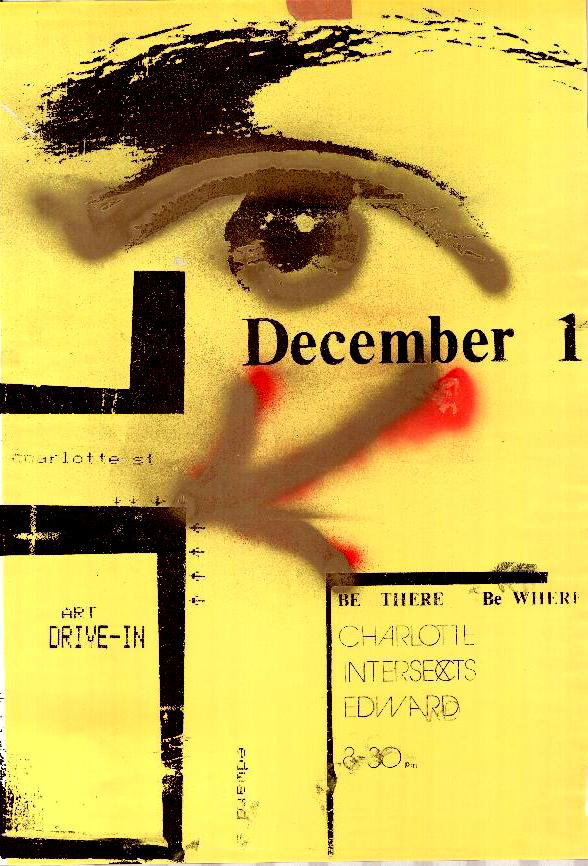
Outdoor Art Drive-In was designed, developed, and launched as a pop-up experimental public art strategy in December 1986. Outdoor Art Drive-In claimed space in the city of Brisbane for creative action and the exploration of connective building blocks.
The objective being to link the physical to the digital and the local to the global in search of an interconnected world – pre www
Outdoor Art Drive-In was designed, developed, and self-funded by Jeanelle Hurst, serving as a test run and prototype for InterFace 88.
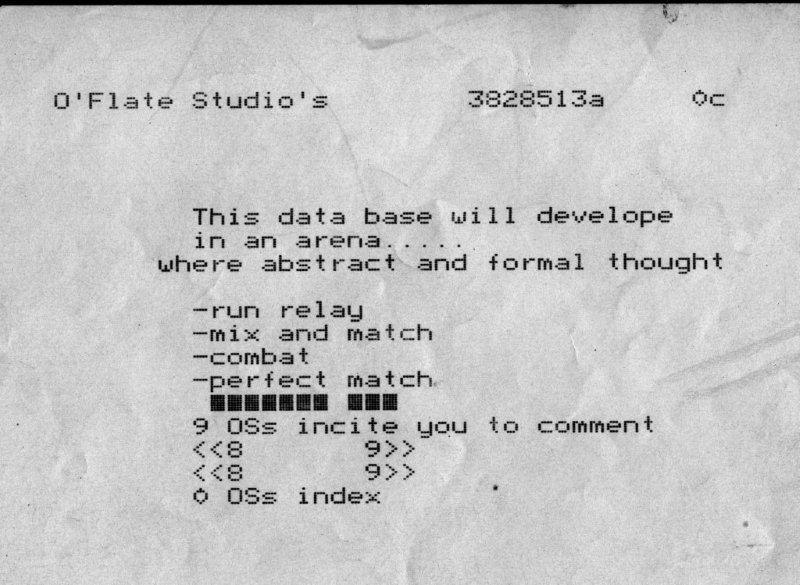
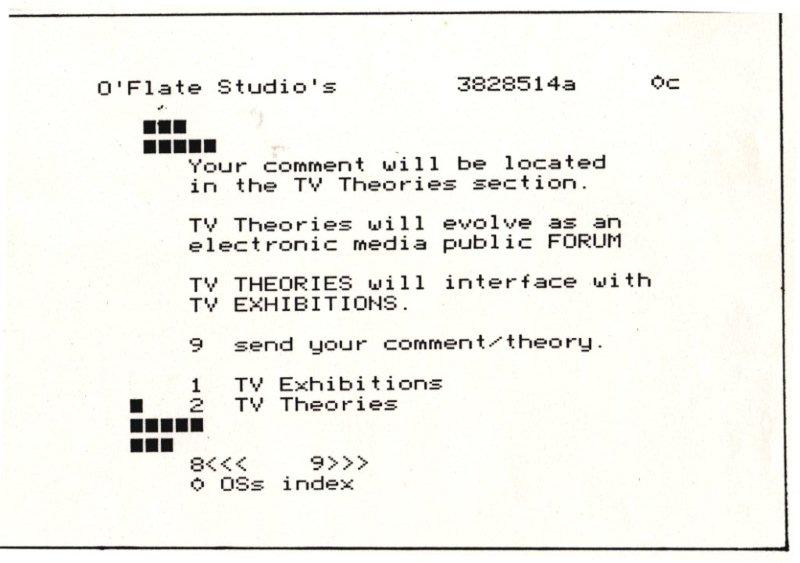
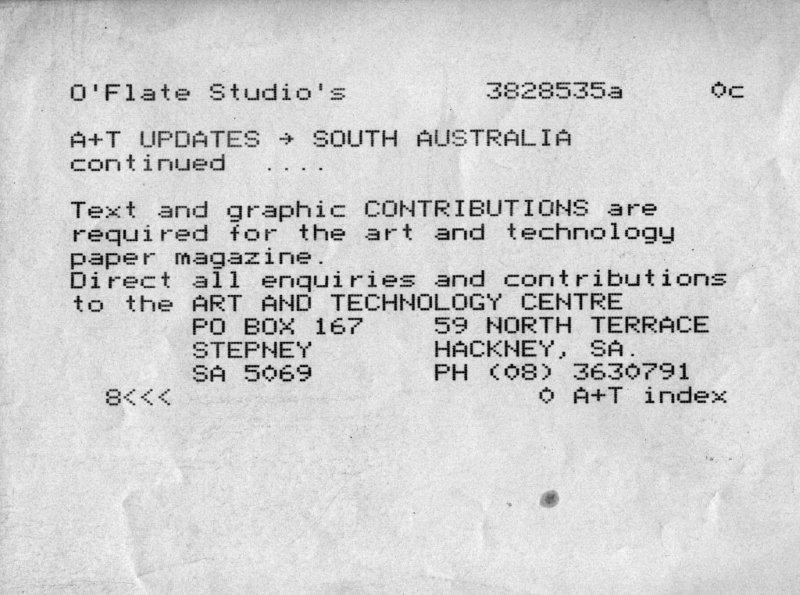
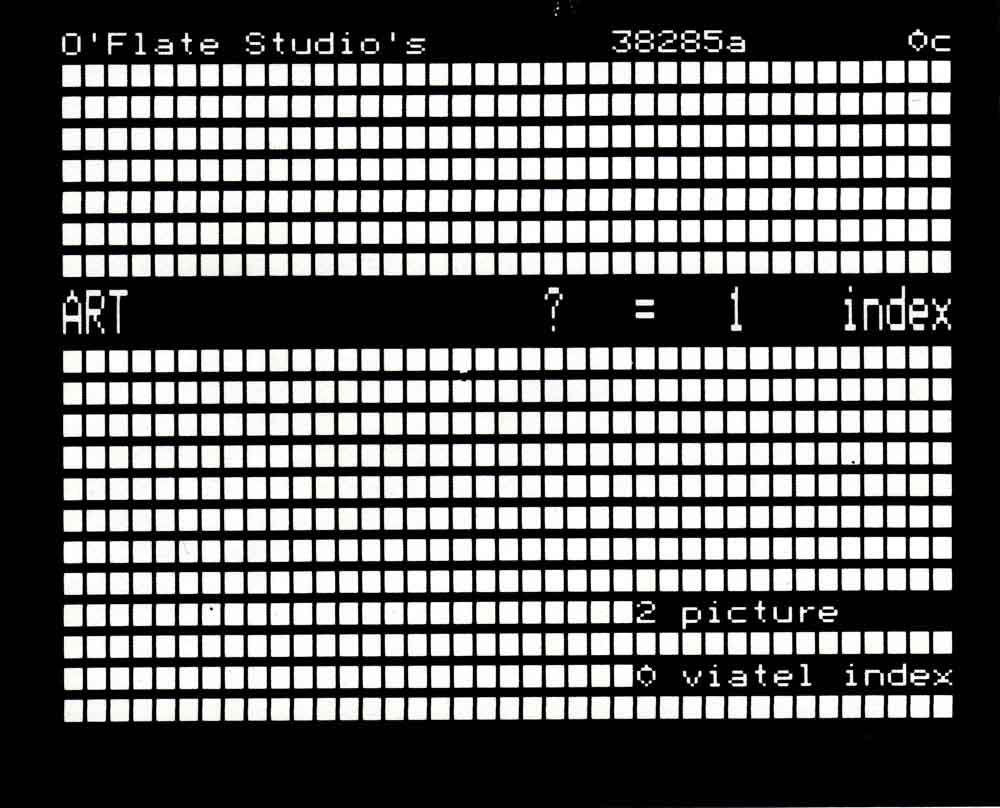
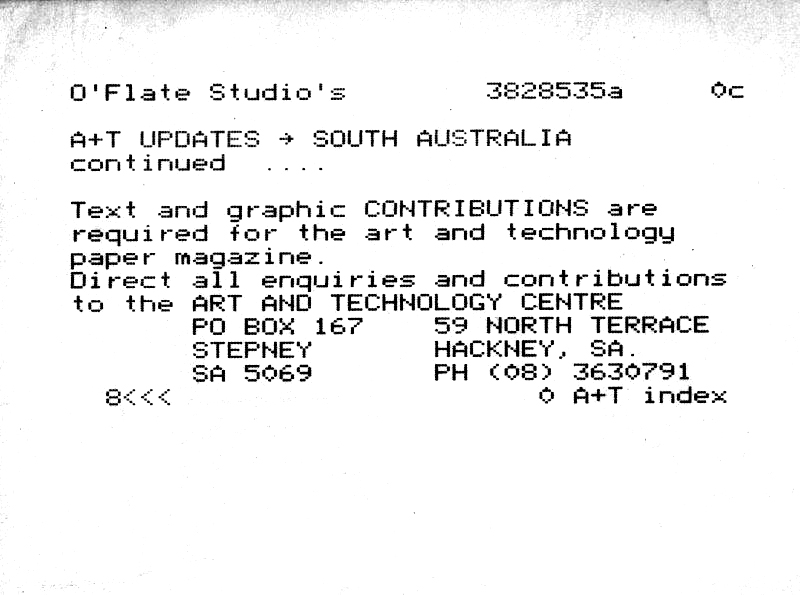
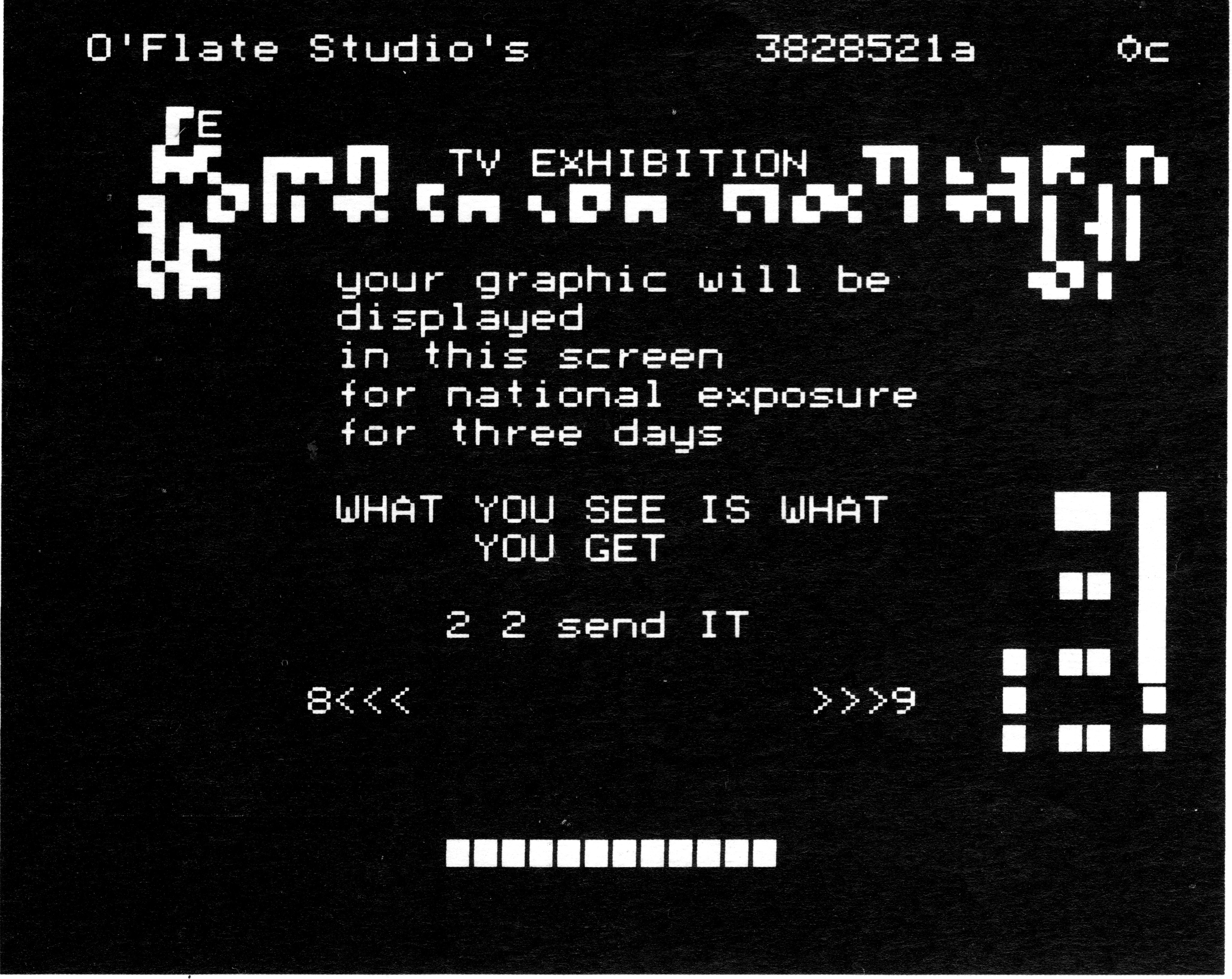
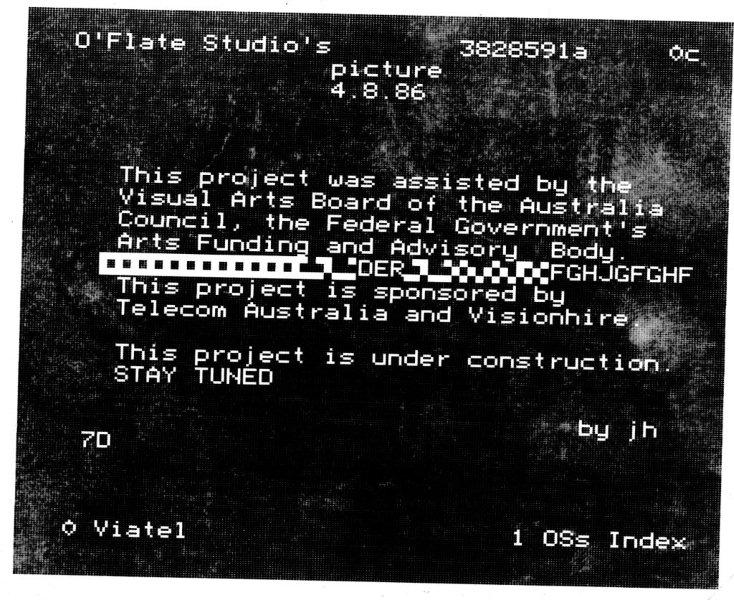
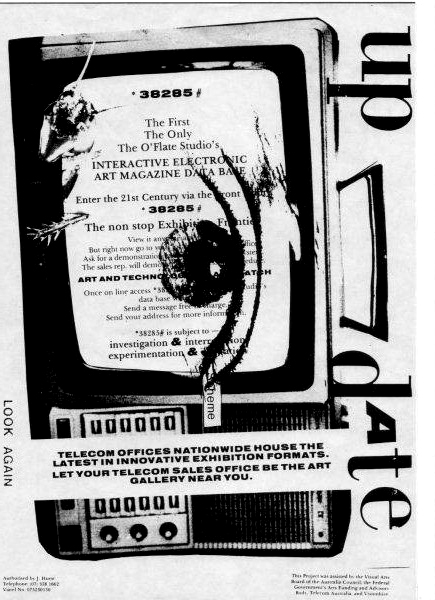
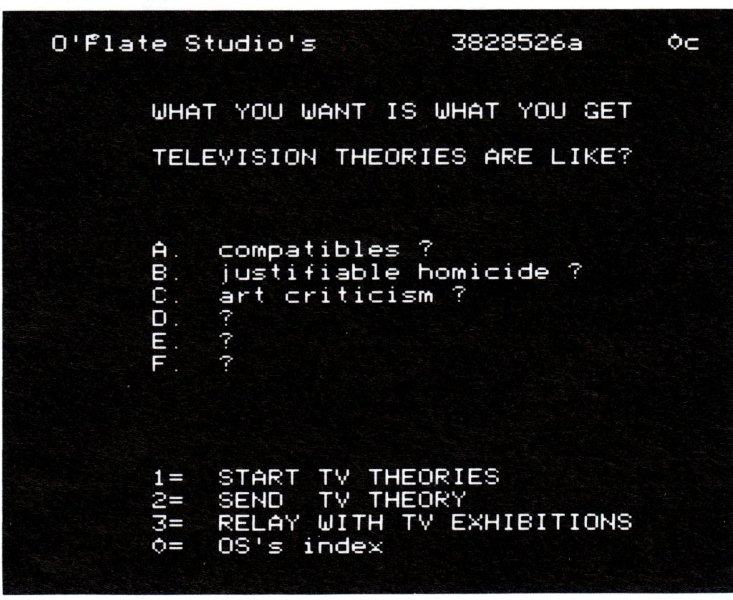
O’Flate Studio’s on Viatel was sponsored by Viatel – Telecom Australia’s National Videotex Service.

Outdoor Art Drive-In 86
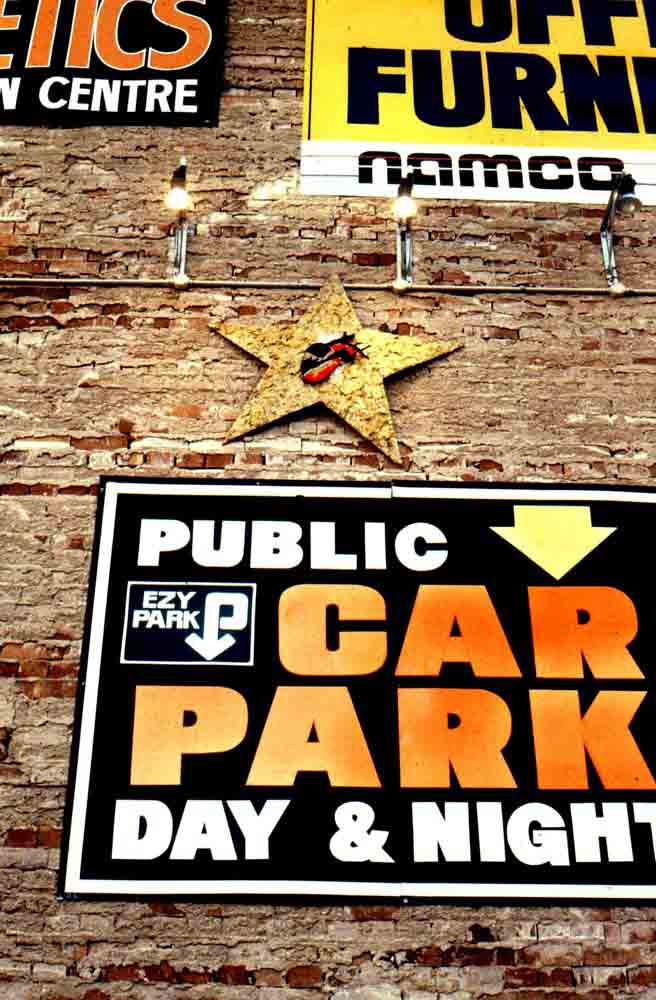
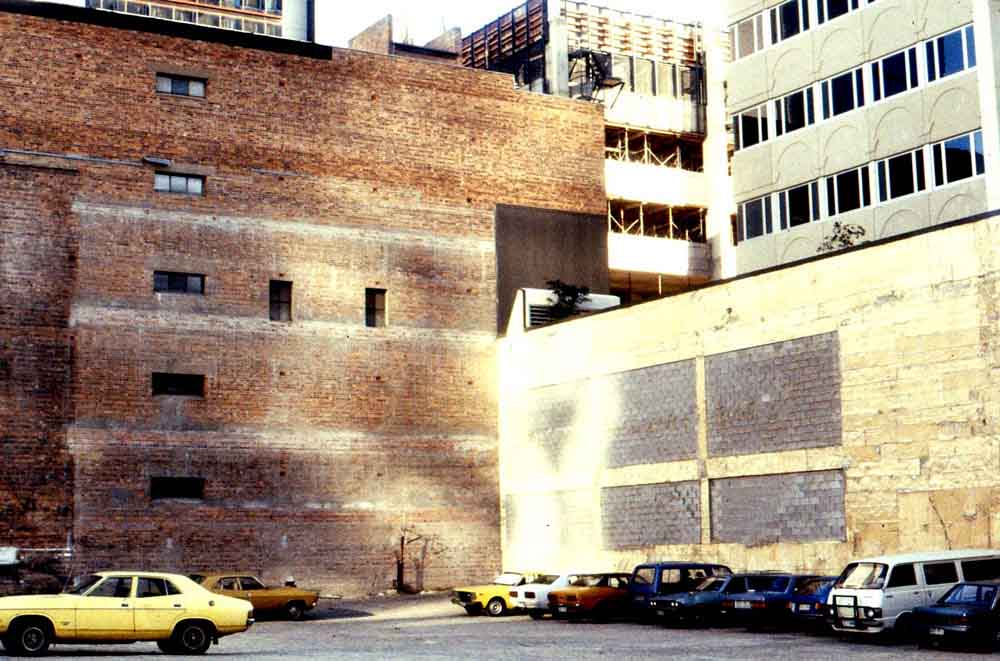
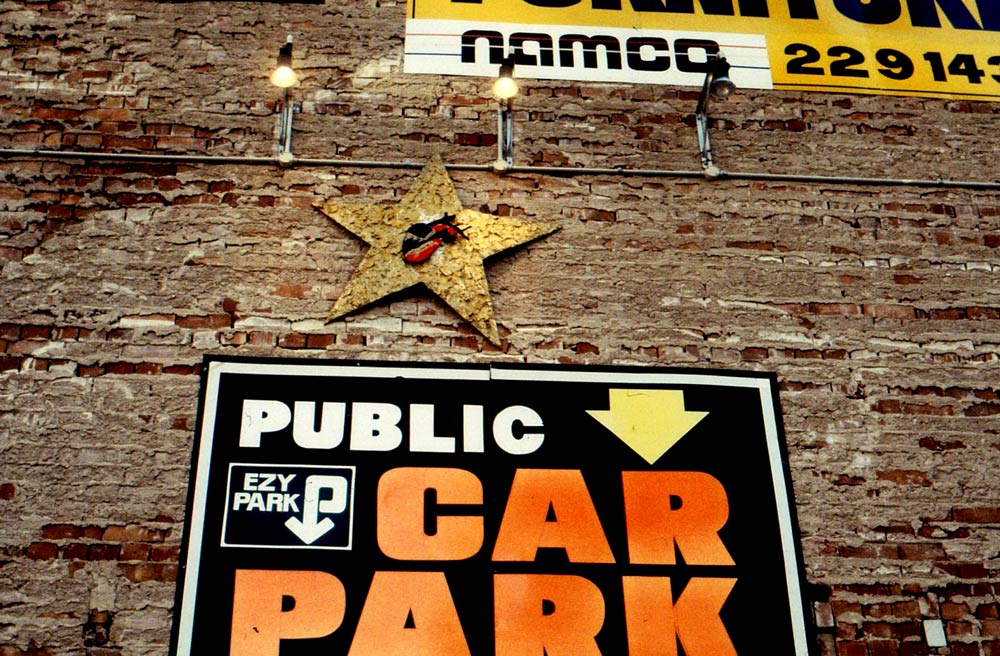
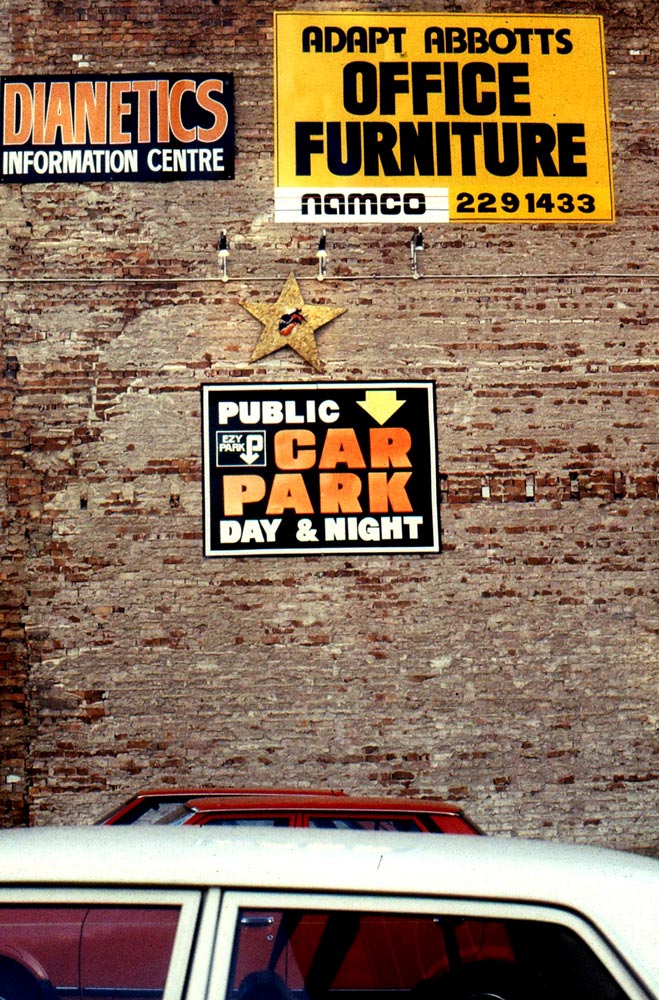
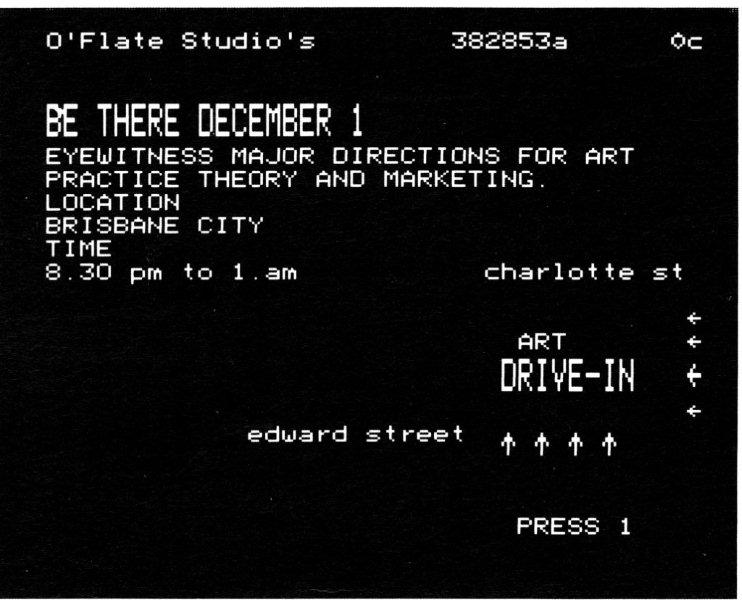
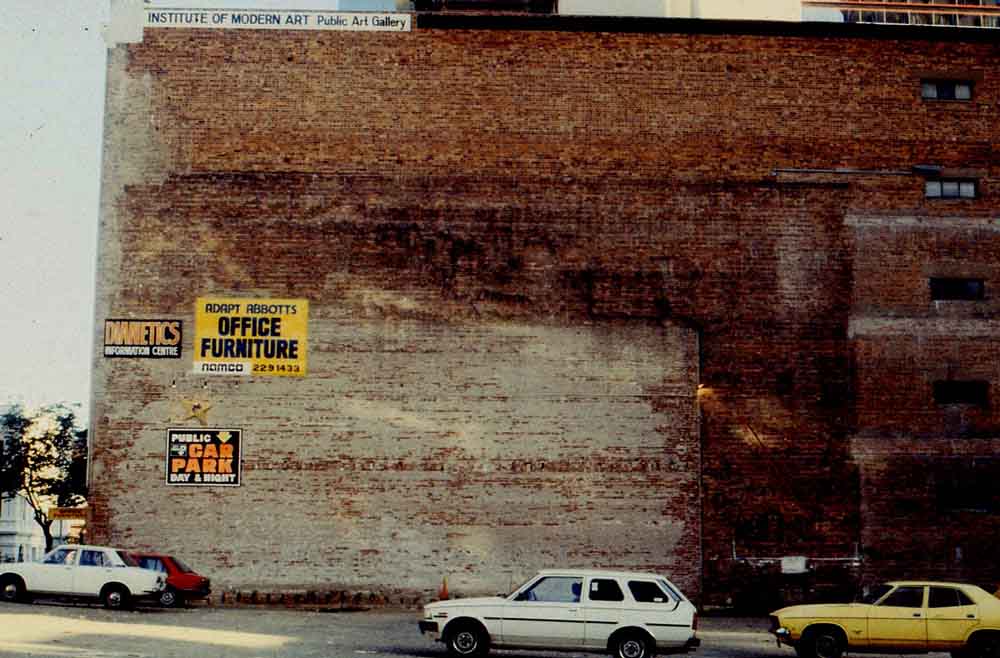
Ezy Park Car Park – Cnr Charlotte St & Edward St, Brisbane City, Queensland Australia

Outdoor Art Drive-In 86
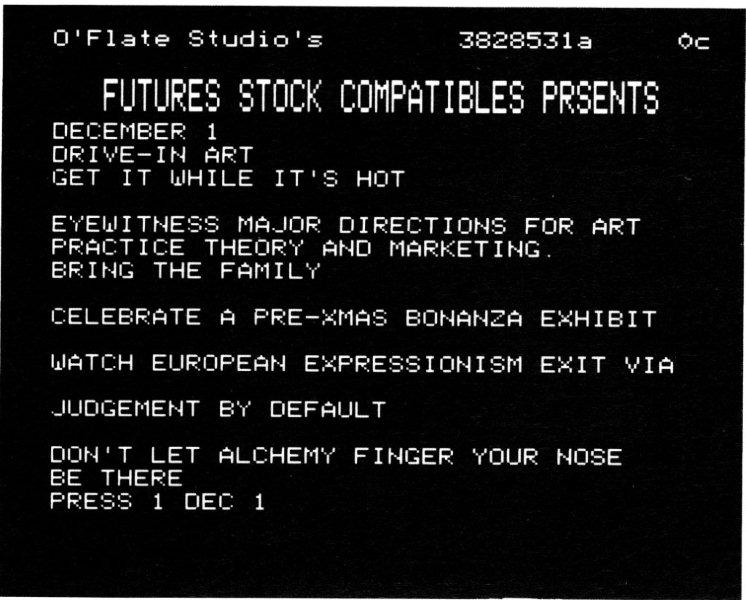
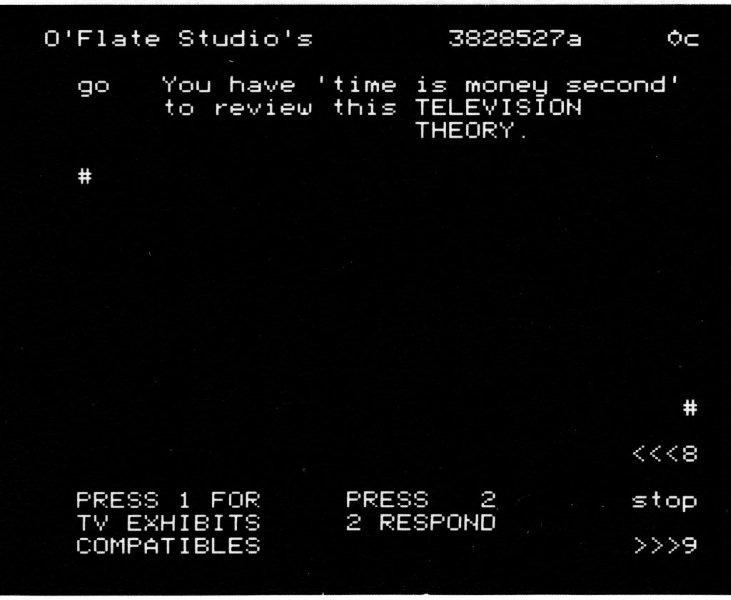
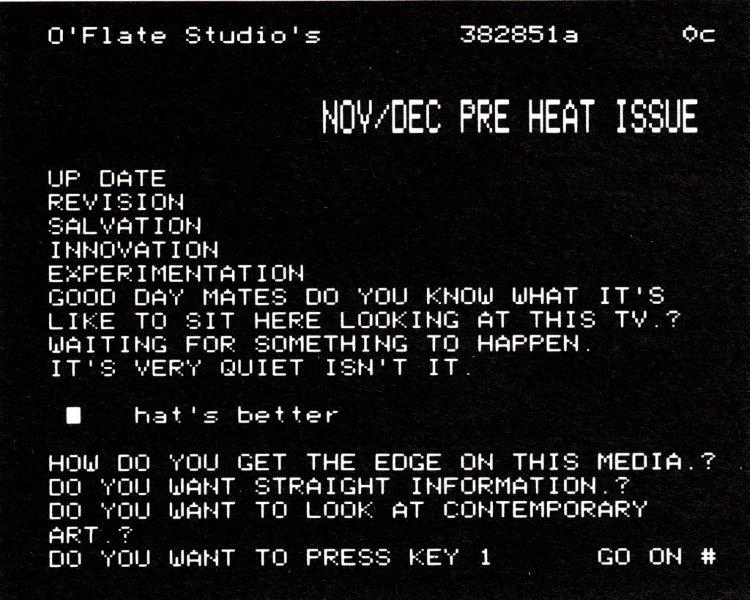
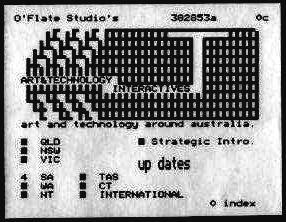
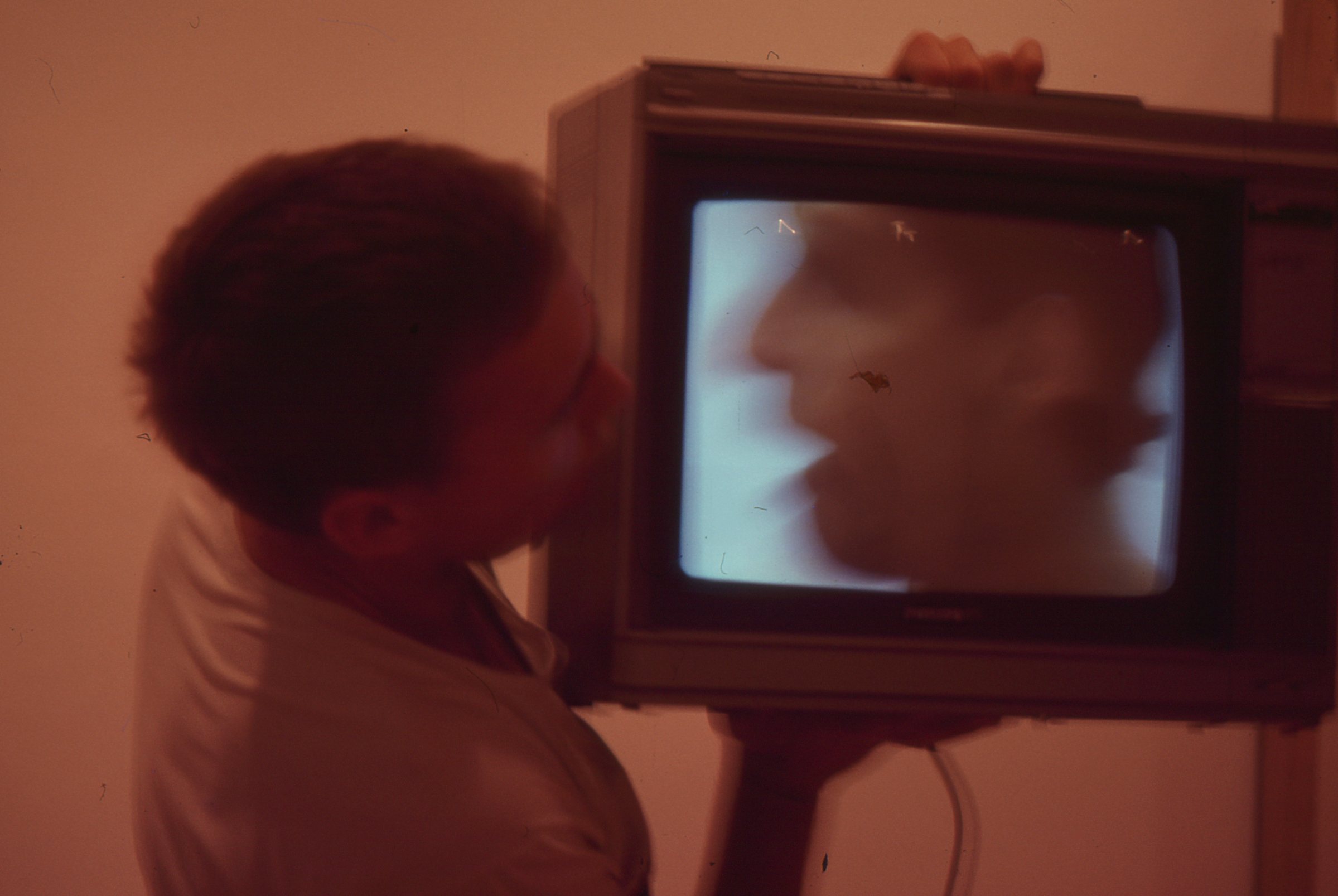
OFlate Studios – Artist Jeanelle Hurst – Viatel, Telecom Australia’s National Videotex Service

Outdoor Art Drive-In 86
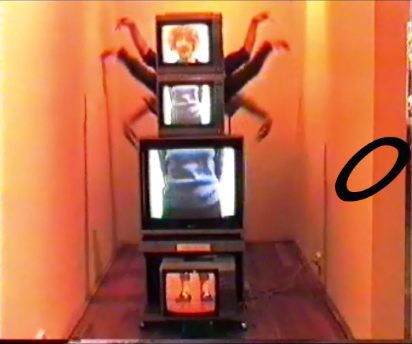
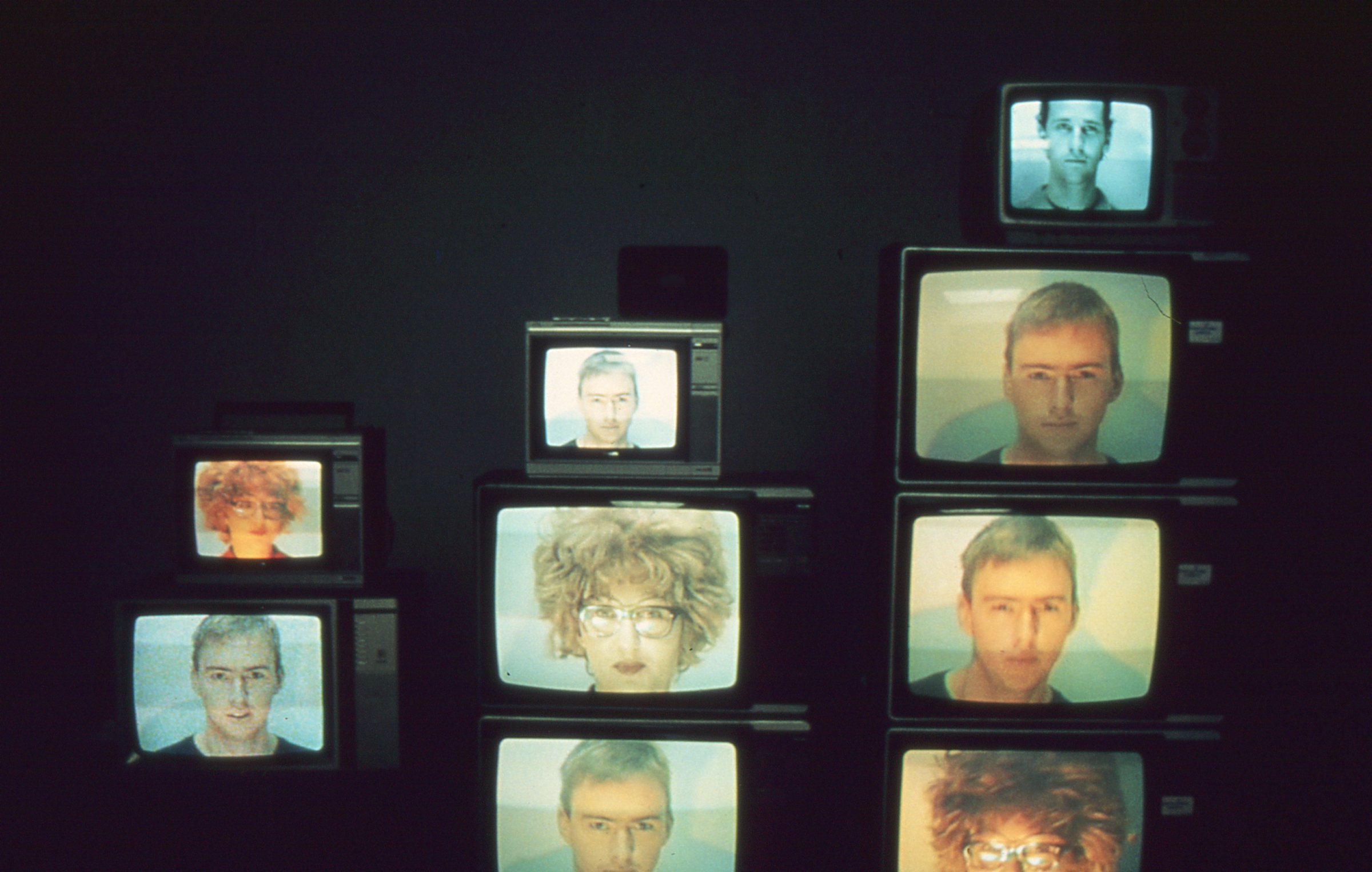
Video Installation Wall – Artist Jeanelle Hurst – Ezy Park Car Park

Outdoor Art Drive-In 86
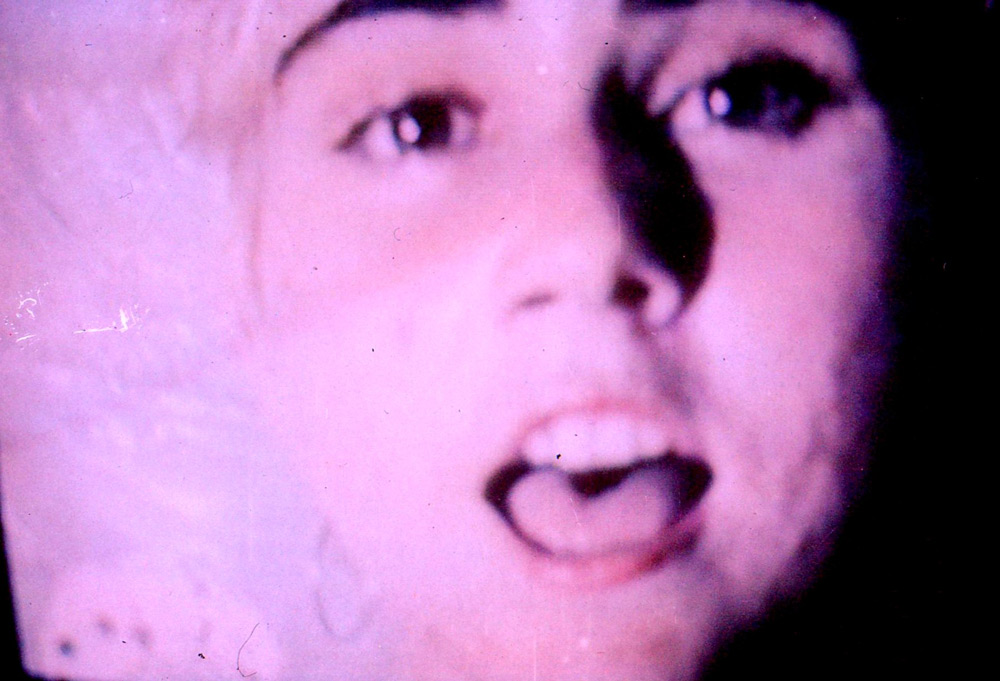
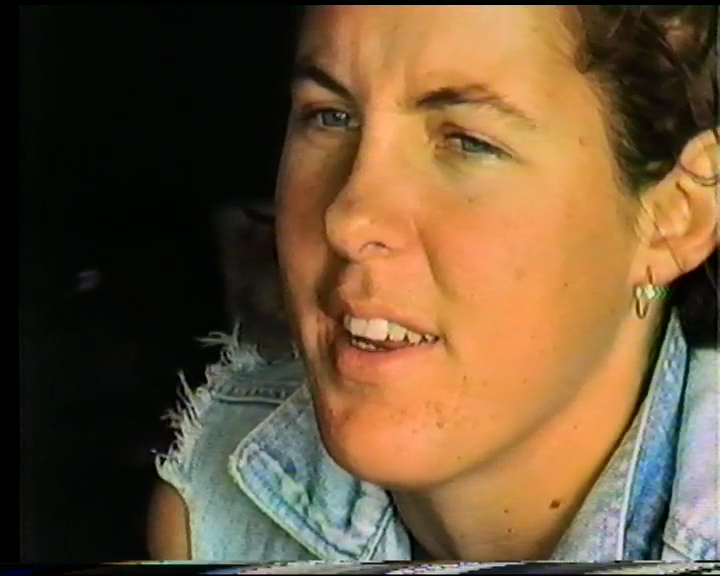
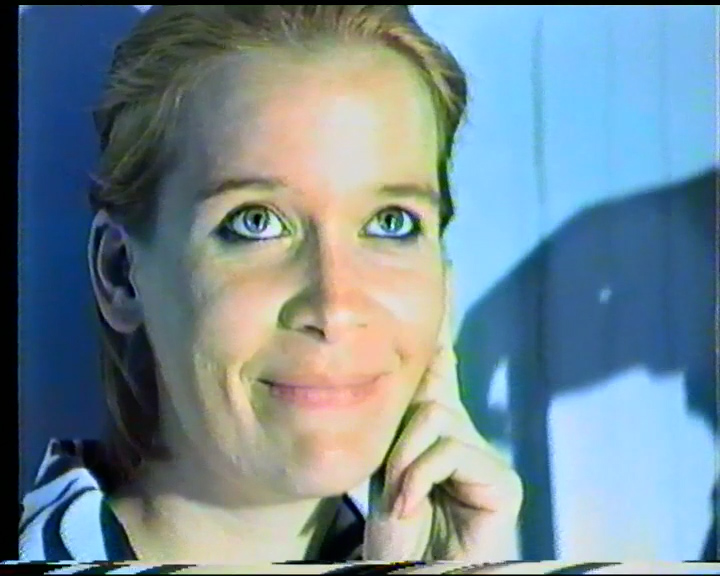
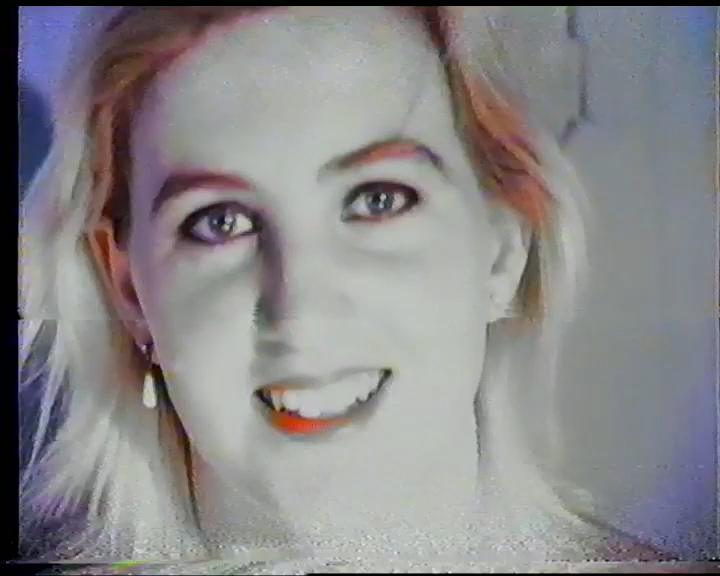
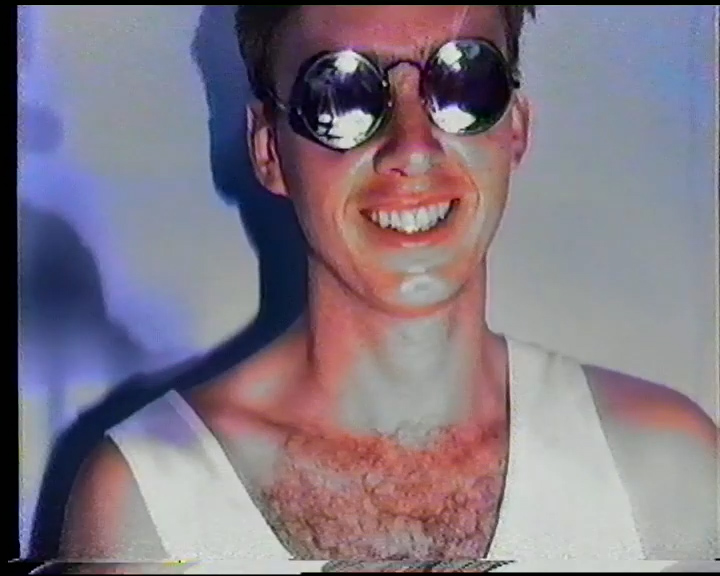
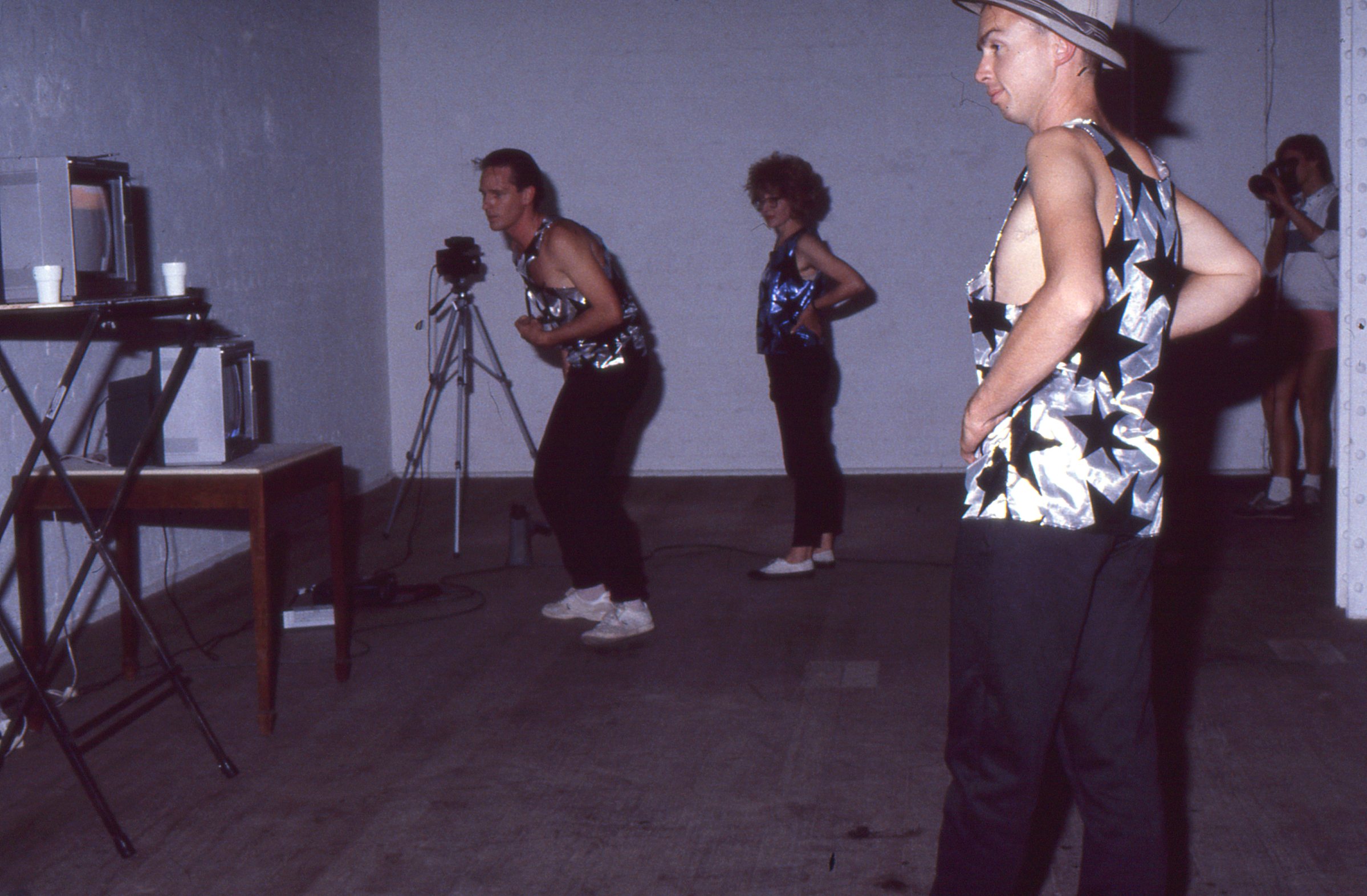
Video Installation Wall – Artist Jeanelle Hurst – Ezy Park Car Park – Artist/Performer Michelle Andringa singing ‘Don’t Fence Me In’
Building blocks & logistics …
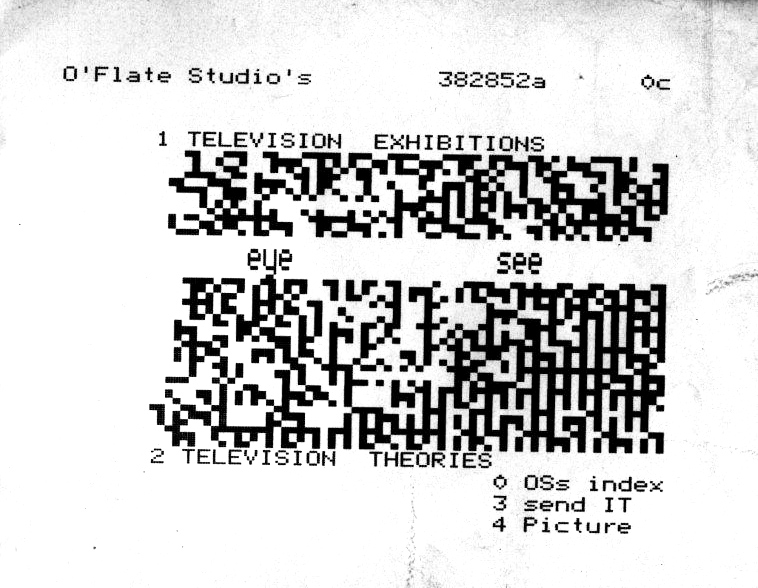
I chose Videotex as the online building block over the vertical-scrolling bulletin boards because of its hyperlinks, graphic capability, and the 3D quality of the structure of information and interconnectivity.
Videotex allowed designers/information providers to work from a structured central information base, guiding users with menus and options/links to navigate the site, interact, and retrieve information.
And even though the graphic capacity was Lego blocky and chunky, it could be used for aligning physical and digital spaces. I could play with the hyperlinks in a way that leaned into the digital world of connection, communication, engagement, and conversation—clearly ahead of us.
It was at this time that I started to feel that information could have a multi-dimensional form, rhythm, and flow.

Outdoor Art Drive-In 86
O’flate Studios – Viatel, Telecom Australia’s National Videotex Service

Outdoor Art Drive-In 86
O’flate Studios – Viatel, Telecom Australia’s National Videotex Service

Outdoor Art Drive-In 86
O’flate Studios – Viatel, Telecom Australia’s National Videotex Service

Outdoor Art Drive-In 86
O’flate Studios – Viatel, Telecom Australia’s National Videotex Service
Outdoor Art Drive-In 86 was staged in the Ezy Park Car Park on the corner of Charlotte St & Edward St, Brisbane City. The surrounding buildings housed the Institute of Modern Art (IMA), Metro Arts, and Queensland Health.

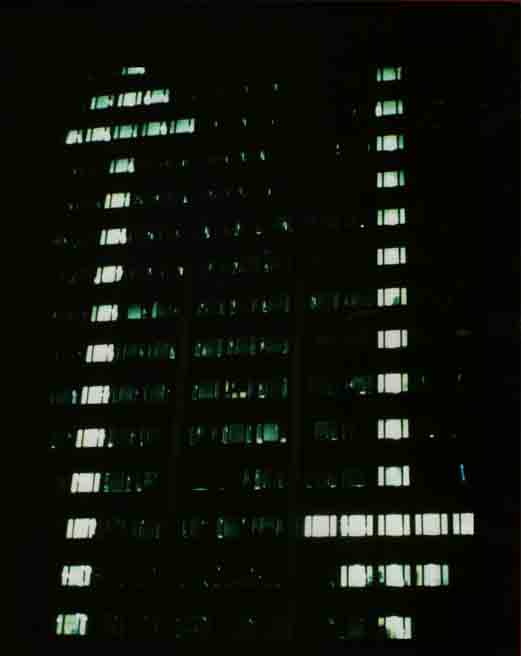
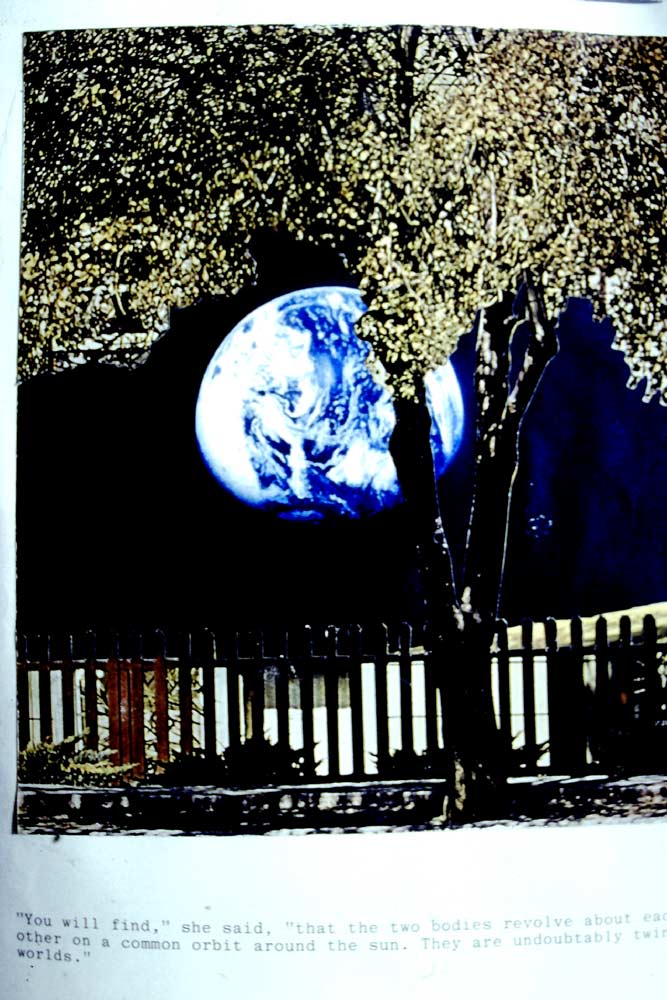
The Qld Health Building was used to illustrate the transmission and flow of information/communication by opening and closing window blinds to create the image of ascending, and descending arrows. Artwork by Jeanelle Hurst titled High-rise Wallpaper.
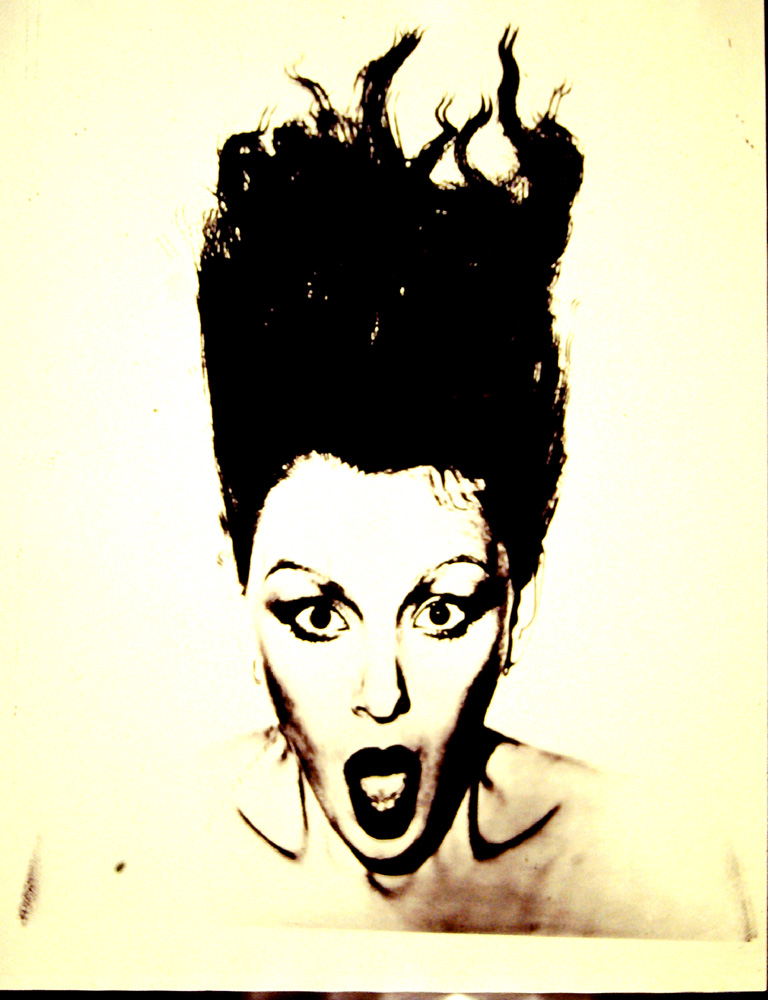
Artist/Performer Michelle Andringa’s artwork titled Heart Star was installed on the car park wall.

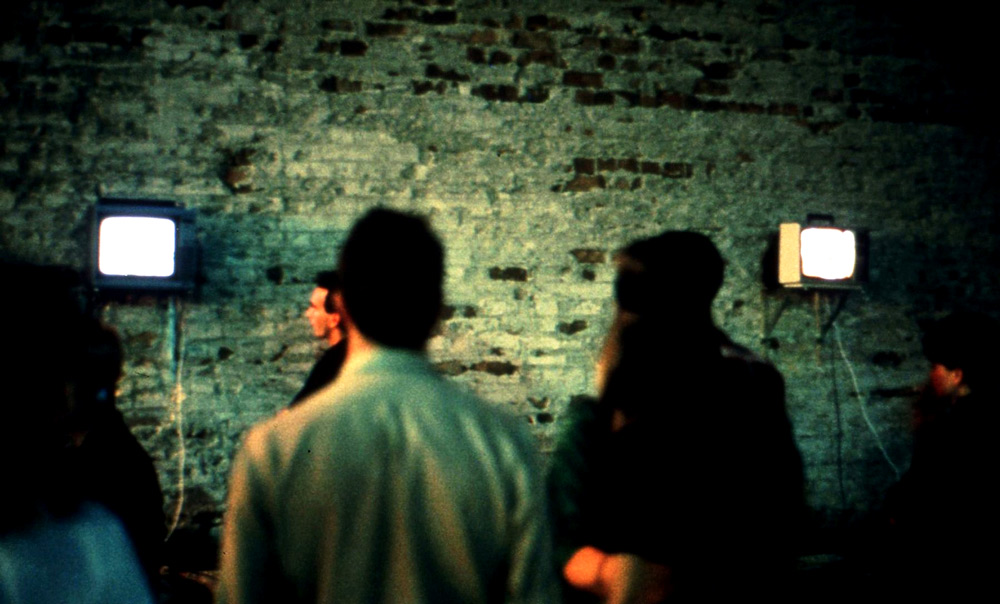
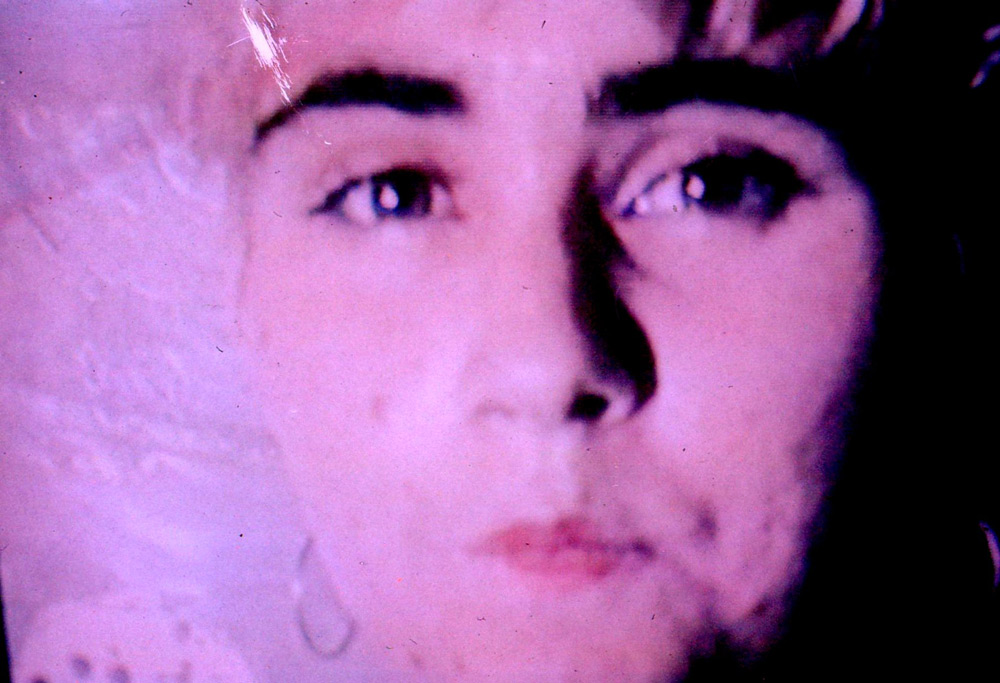
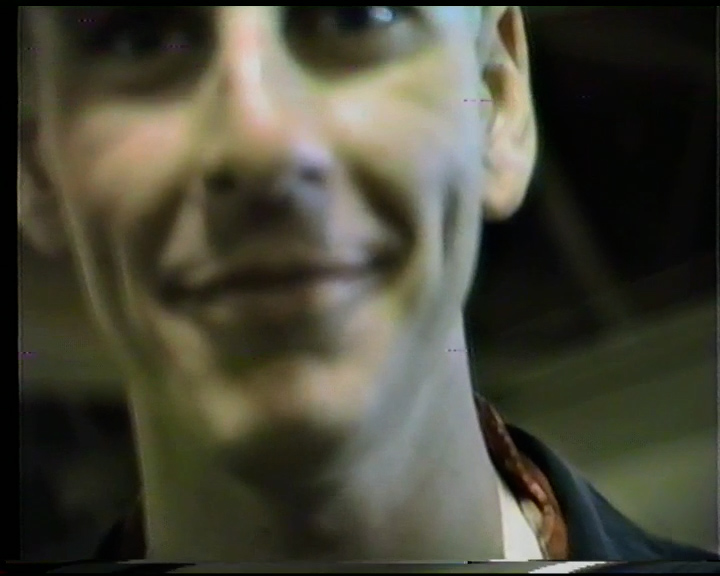
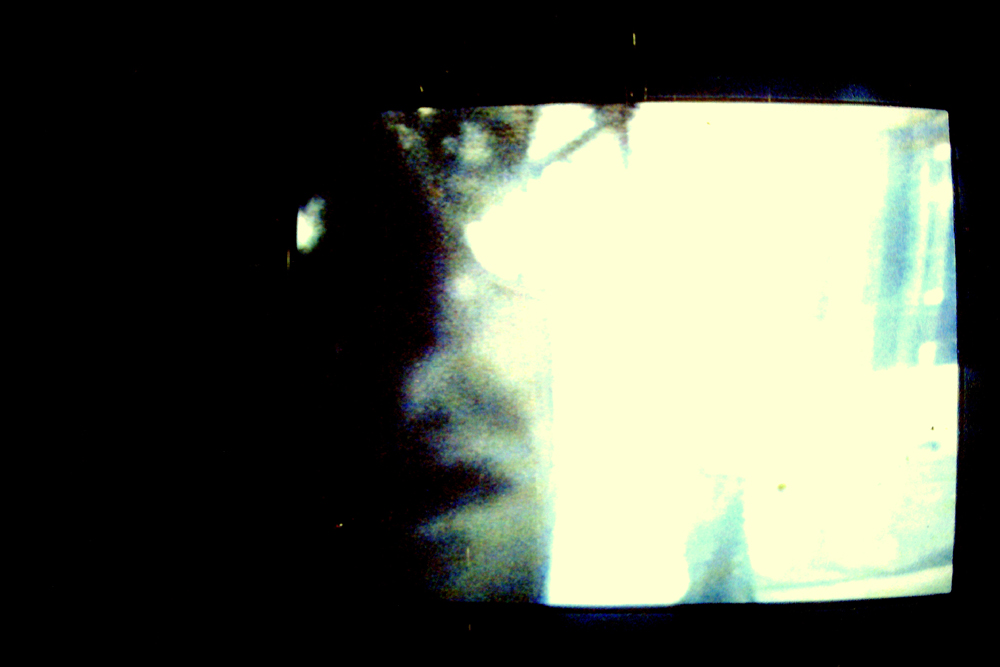
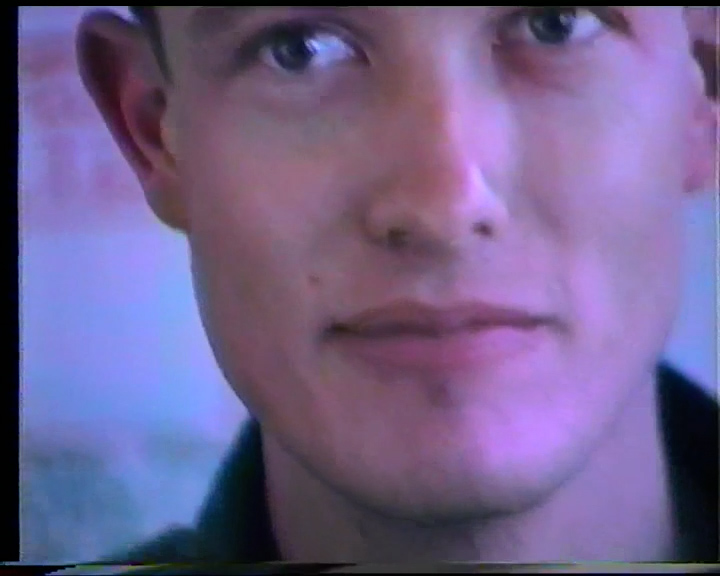
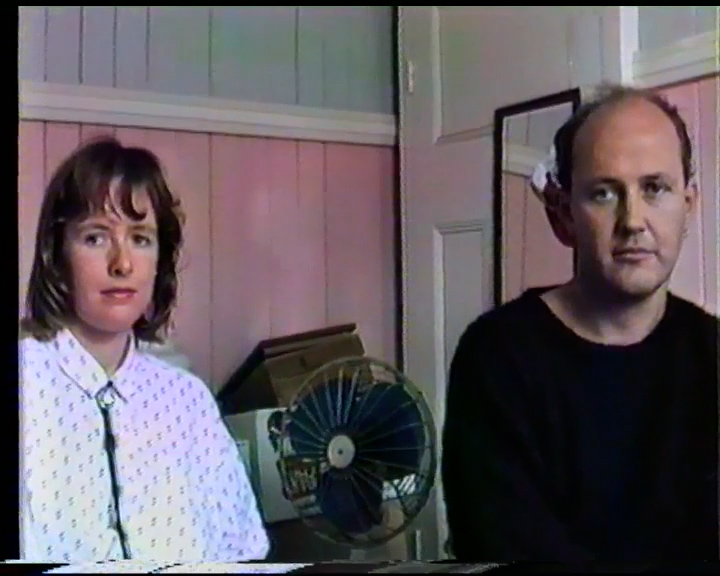
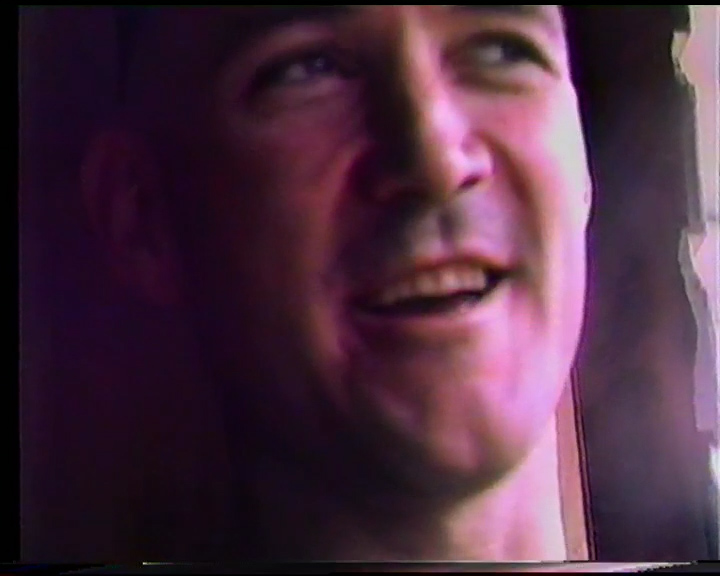
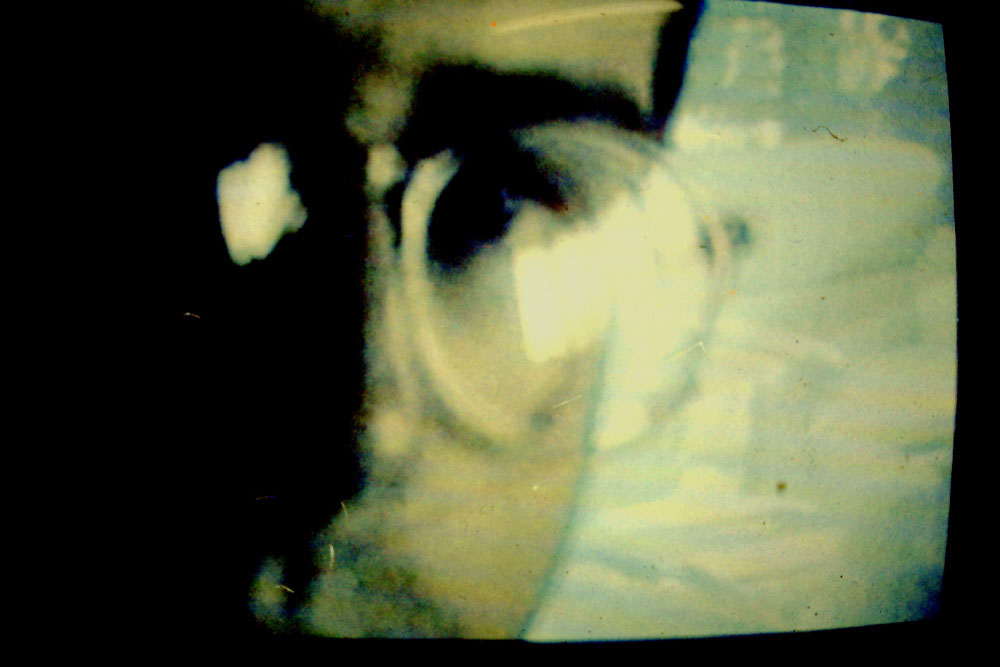
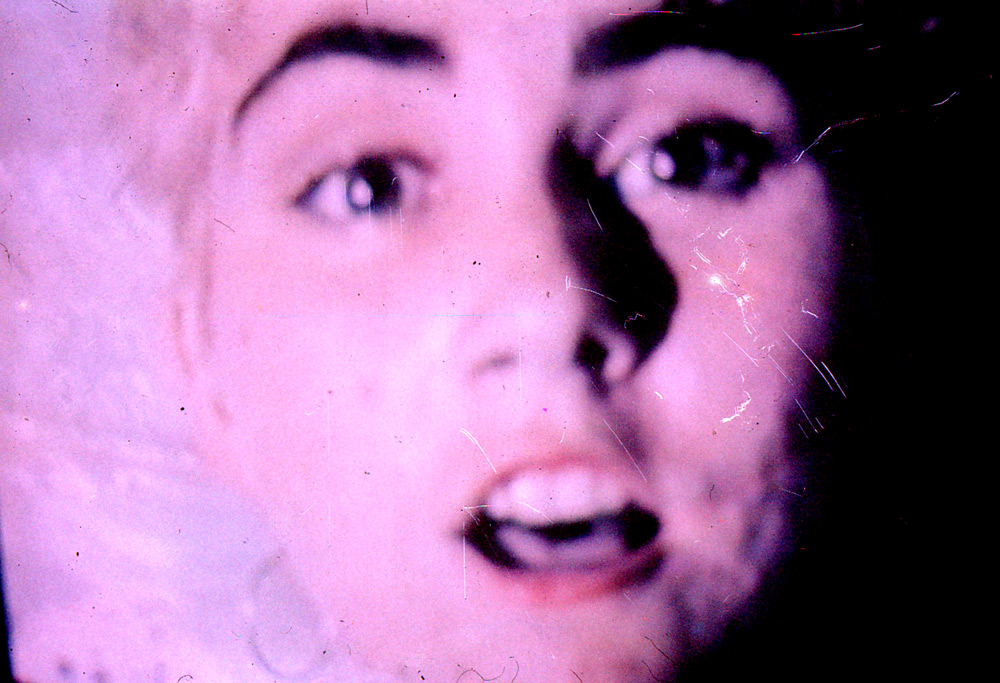
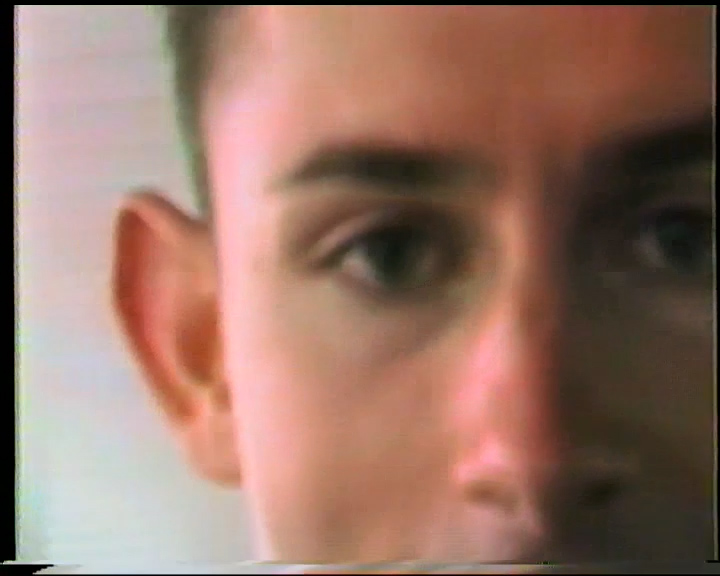
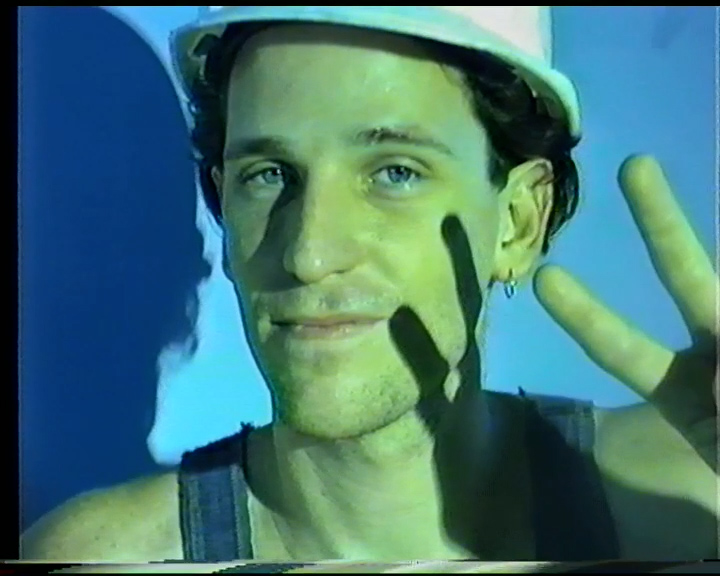
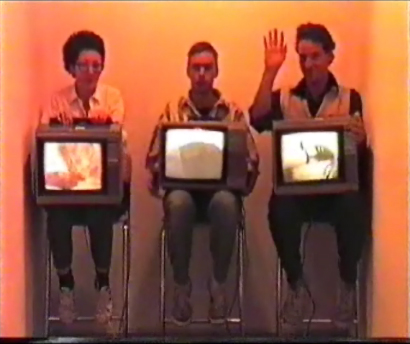
The car park wall of the IMA building was used for the Qld Artists Video Installation. Three (3) monitors were bracketed to the wall, displaying video interviews and performances I had filmed with Brisbane-based artists, musicians, and designers.
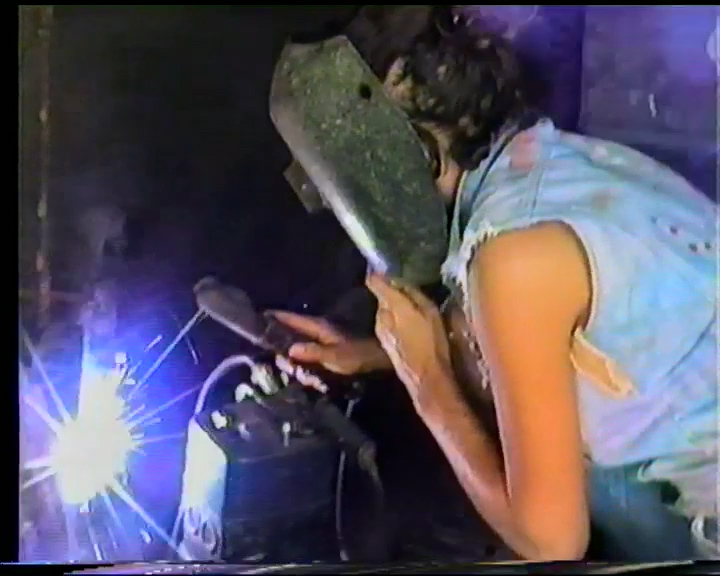
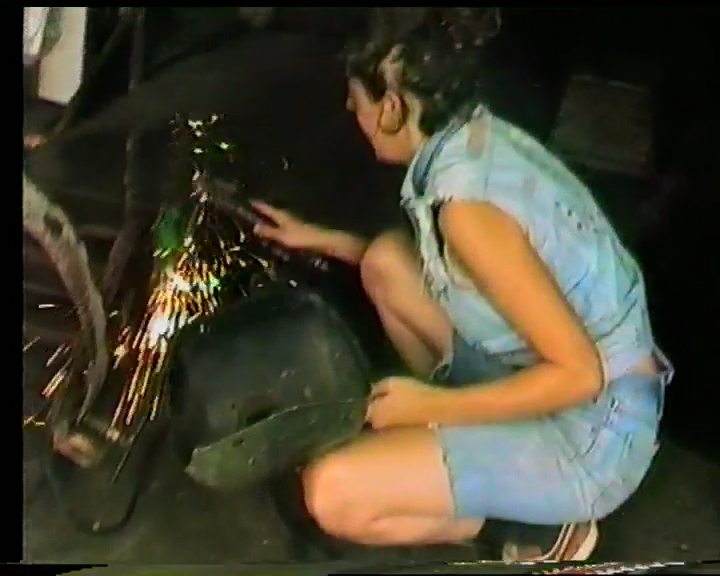
Artist Katie White conducted a live welding action in the car park.
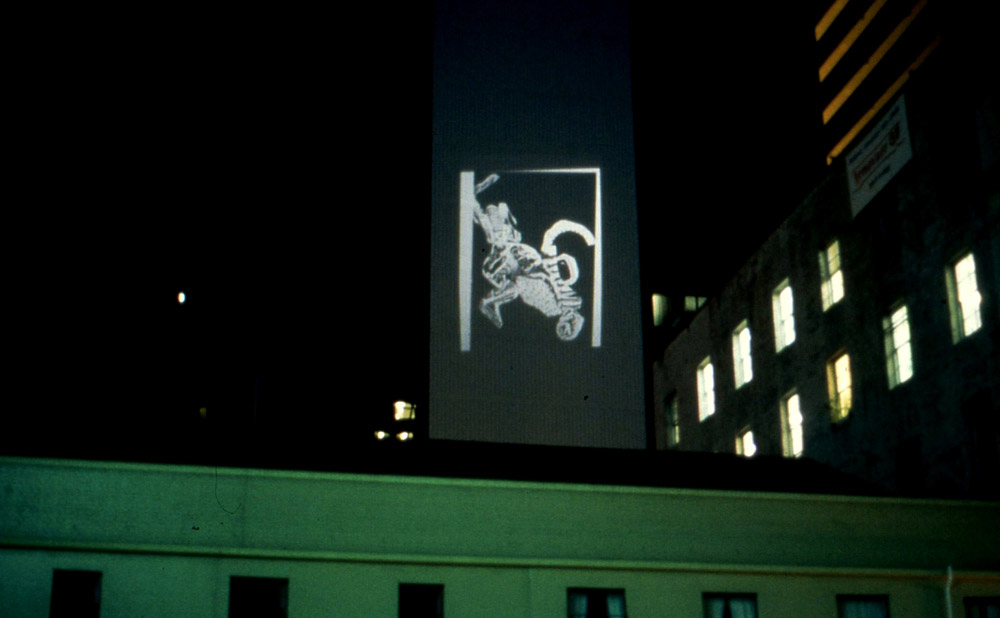
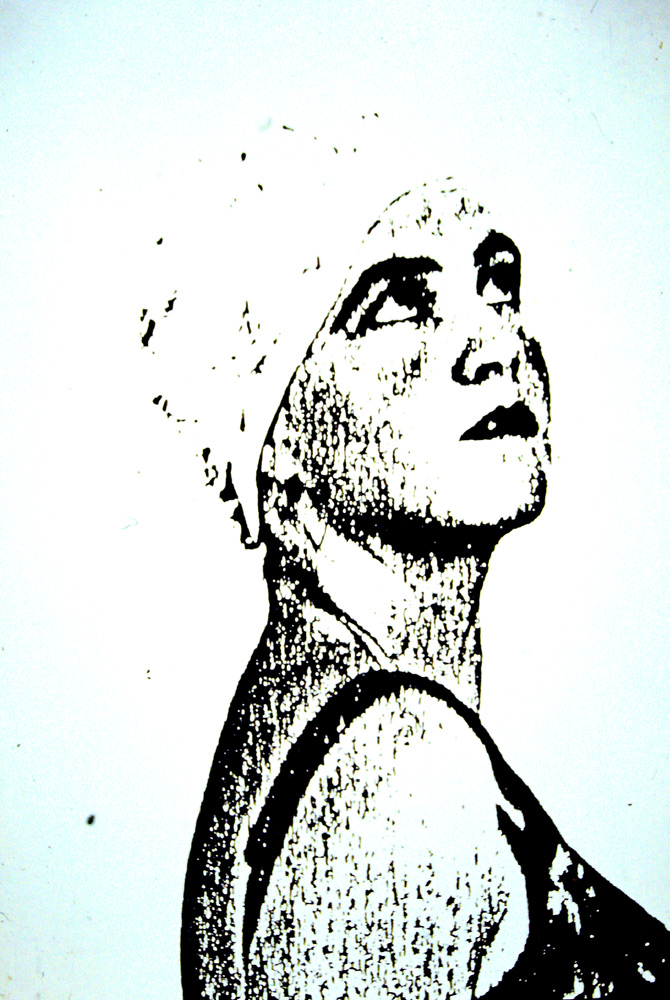
Images sourced from local artists, performers, and arts organisations were projected from the rooftop of the Metro Arts building onto an adjacent high-rise building.
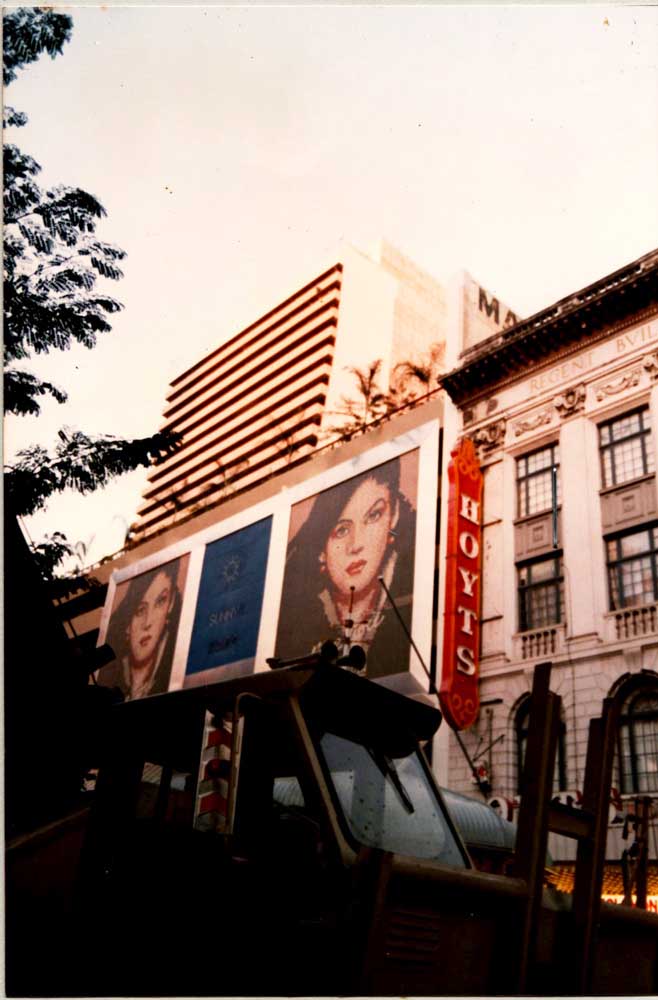
I gained access to the Electronic Display boards in the Queen St Mall in 86. Artist/Computer Programmer Adam Wolter worked with the in-house technician to upload the first art image to the display.
Fifteen (15) months later, the boards were once again utilised for the InterFace Project.
The car park wall of the IMA building was used for the Qld Artists Video Installation. Three (3) monitors were bracketed to the wall, displaying video interviews and performances I had filmed with Brisbane-based artists, musicians, and designers.

Artist/Performer Michelle Andringa’s work titled Heart Star was installed on the car park wall.

Artist Katie White conducted a live welding action in the car park.

Images sourced from local artists, performers, and arts organisations were projected from the rooftop of the Metro Arts building onto an adjacent high-rise building.


I gained access to the Electronic Display boards in the Queen St Mall in 86. Artist /Computer Programmer Adam Wolter worked with the in-house technician to upload the first art image to the display.
Fifteen (15) months later, the boards were again utilised for the InterFace Project.

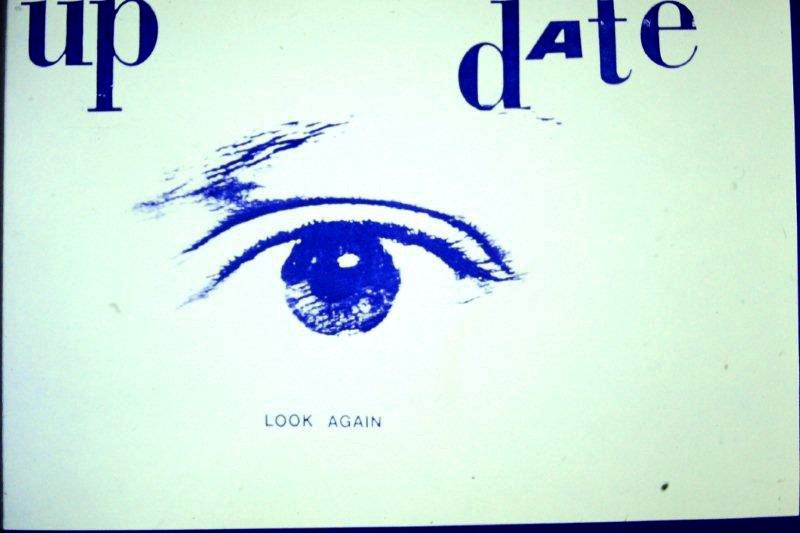
Outdoor Art Drive-In was a test run for drawing elements/building blocks together and infusing them with information, engagement, questions, conversations, visibility, and connectivity.
- All categories
- 1986 Electronic Display Boards
- 1986 High-rise Projections
- 1986 High-rise Wallpaper
- 1986 Video Installations
- 1986 Videotex
- Outdoor Art Drive-In Artists
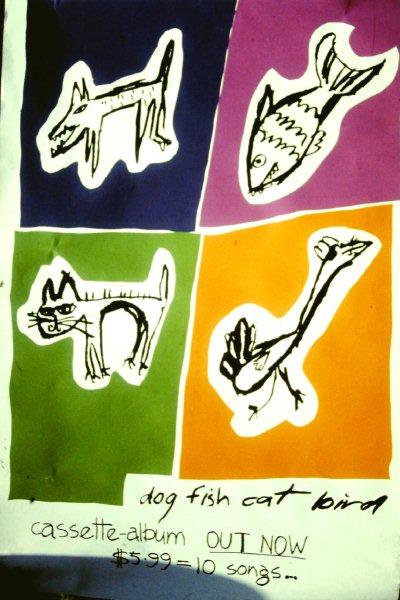
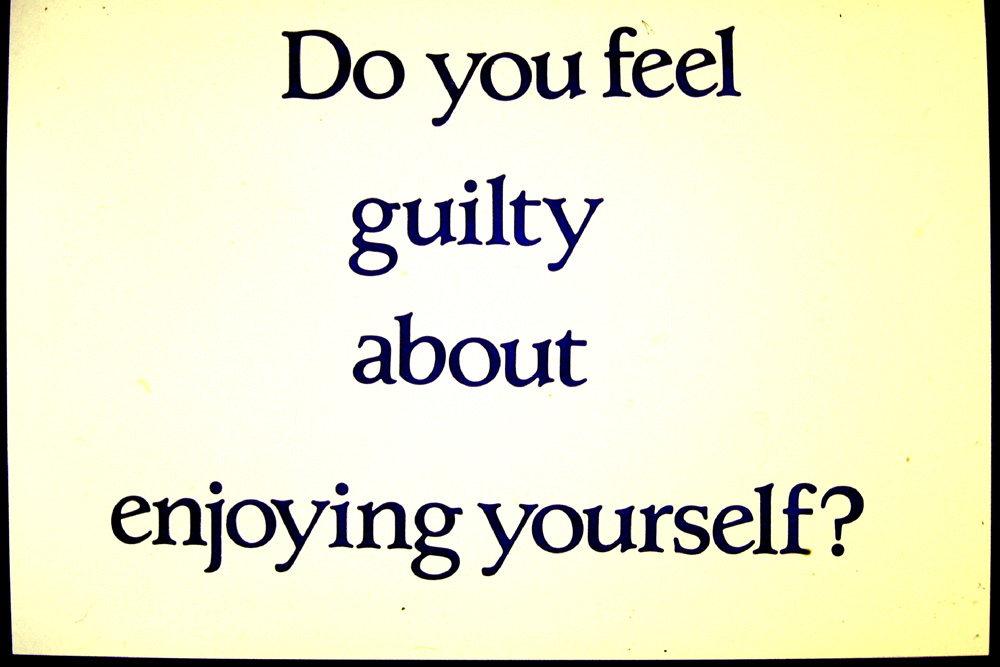
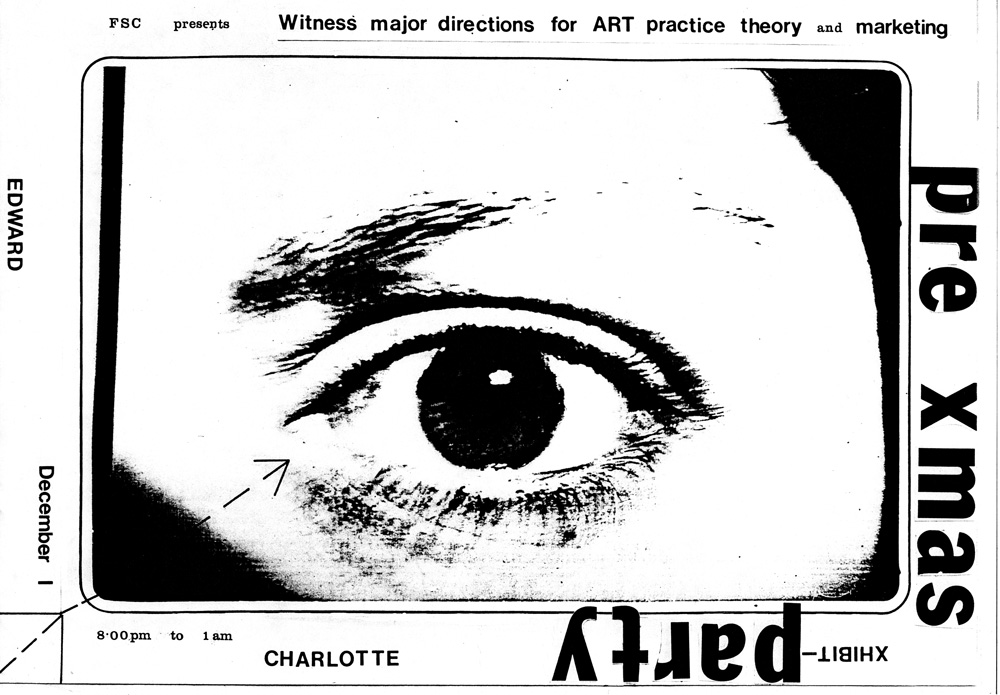
- OutDoor Art Drive-In Promotions

Background

In 1982, Graffiti appeared on the hoarding of the then under-development Qld Cultural Centre, suggesting that 95% of artists leave this town – why don’t you…
Through those early ’80s years, I watched and waved as gay friends headed south across the border to Sydney and Melbourne for safety and community, while artist friends jumped trains and planes outaa here in search of cultural sustenance, refuge, and career-building certainty.
At that time in history, Queensland was regarded as a cultural outhouse. Sydney and Melbourne were pinned as cultural epicentres from which cultural innovation theory and practice would radiate. This was a colonial-type ideology I could never accept.
I believed that original thought and innovation, given the right tools, infrastructure, and mindset, should flourish in regional centres.
As a woman and an artist, I wanted to work in a space that was visible, accessible, equitable, interactive, interconnected, and multi-faceted. A space that was both local and global. We have this space now, but we didn’t have it back then.
The options were go south, go home or go big… I chose big with connectivity…
In 1985, I started researching telecommunications networks, believing that connectivity between the local and the global would level the playing field for women and regional centres.
In early 85, I asked Adam Wolter (artist/computer programmer) if he knew of anyone with access to online networks. Adam connected me with a guy who was dialling in to North American bulletin boards from his front room in a worker’s cottage in New Farm.
I bounced my way into his house and onto a US-based bulletin board, experiencing the exhilarating rush of connectivity and witnessing the flow of conversation and information.
The black screen was overflowing with peeps in the northern hemisphere chattering away in green text…
I started typing, “make way, make way, I’m coming through.”
The screen went blank, and someone typed ‘Where are you from?” I responded, “Queensland, Australia,” and the screen exploded with messages like “Australians are the most beautiful people in the world” and “I know someone who lived in Australia.”
I knew then that connectivity would become an addiction we would never escape from.

A few months later, I bumped into Michael Egan (ex-policeman from the street march era) in Post Office Square. Mike was then working for Telecom Australia. I told him about my interest in digital mapping and telecommunications.
Mike told me that Telecom’s newly appointed Videotex team were rolling out Viatel, Telecom Australia’s National Videotex Service, on the floor above him.

Mike assured me he would get me a seat at their table. He did, and I was able to secure sponsorship for 20 pages on the Viatel Videotex system, equipment sponsorship from Visionhire Australia in early ’86, and access to the Telecom resources library in Fortitude Valley.
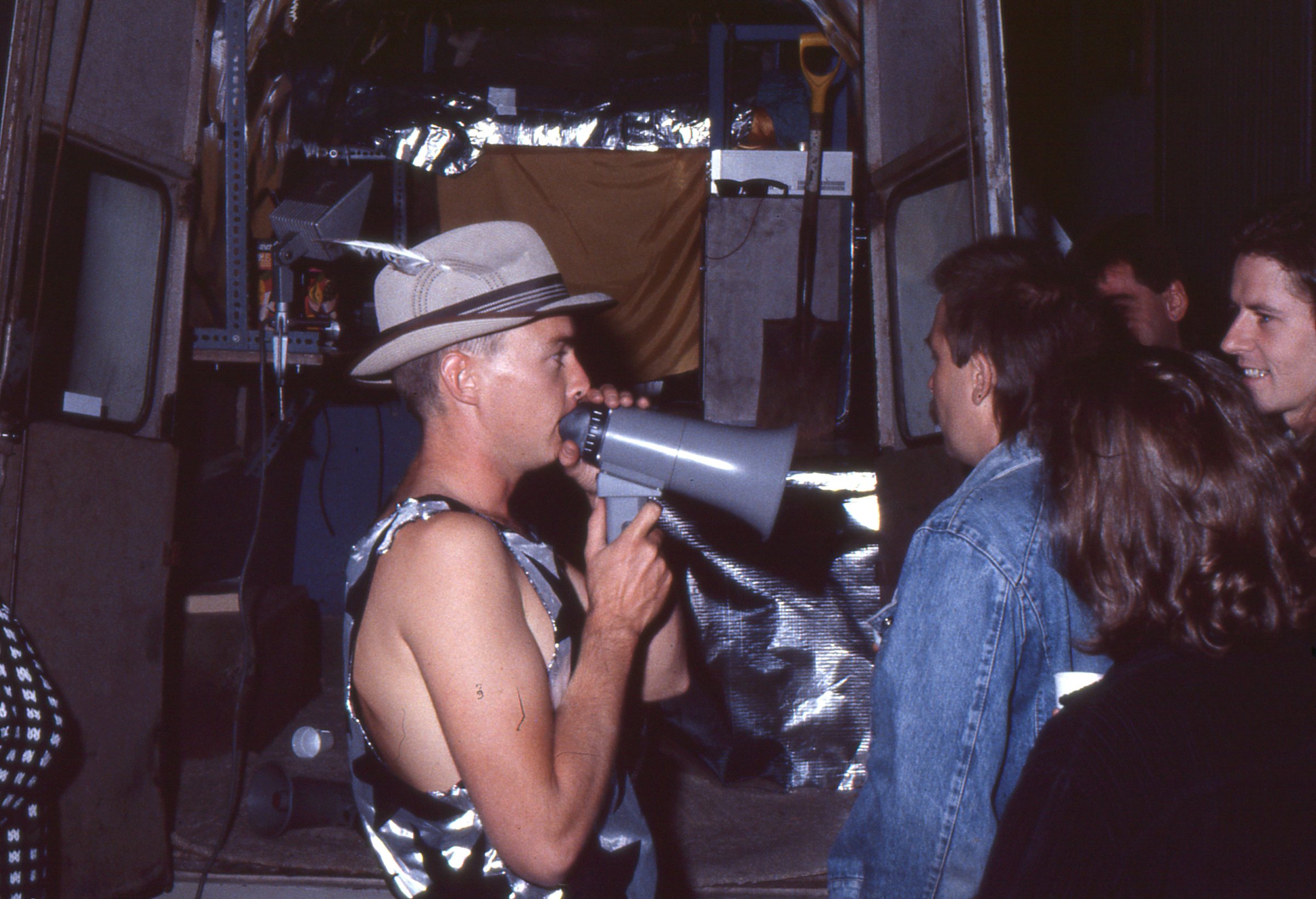
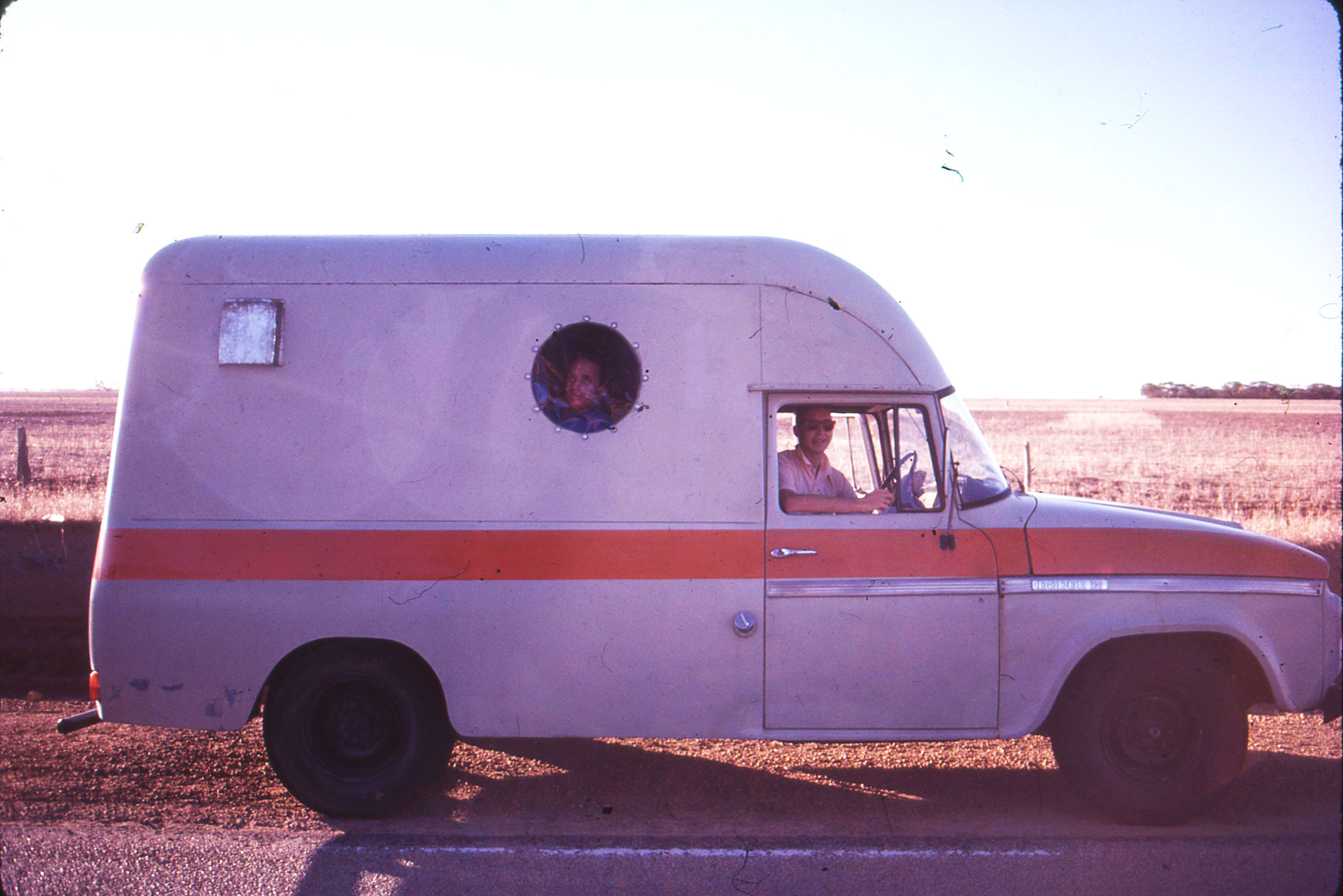
I tested and explored the online videotex experience while traveling across Australia throughout April ’86 for the O’Flate National Art Safari.
The O’Flate National Art Safari was conceived by Russell Lake, Adam Boyd, and I as an extension of our work with experimental art spaces in Brisbane from ’82 – ’85.
Throughout April, we traveled across Australia producing works under the title of Tyrannosaurus Landscape / Artist Wrex at: Praxis Gallery (Fremantle); Experimental Art Foundation (Adelaide); Australian Centre of Contemporary Art (Melbourne); Chameleon Gallery (Hobart); The Performance Space (Sydney); and That Contemporary Art Space (Brisbane).
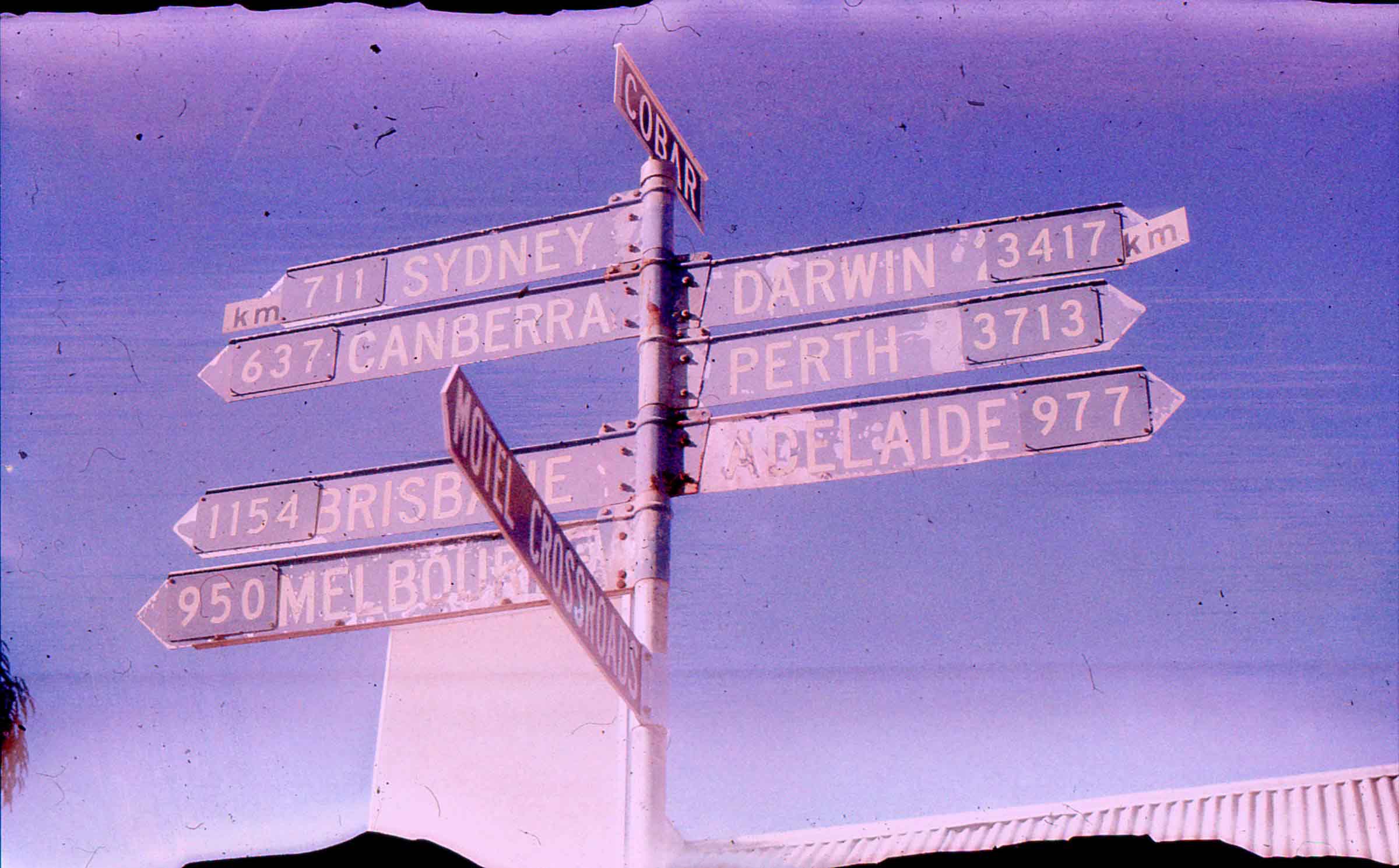
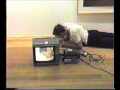
In ’86, there was no internet, no mobile data, and no mobile phone to connect with anything, anyone, or anywhere. Going online meant knocking on the door of regional Telecom Sub Stations and asking if I could plug my sponsored modem into their telecommunications network.
Remarkably, one of the substation attendants in outback New South Wales opened his door and let me in.
It was important for me to go through the physical and logistical process of connecting the local to the global.
At our stopover in Adelaide, I met up with a guy who had produced a small database on Viatel. I was delighted to find someone I could connect with on my digital journey.
By the time we reached Hobart, I was ready to incorporate the online videotex experience into what had become our site-customised performative safari workouts.

The response from the small, dedicated arts audience was more than mixed as a guy in the audience decided it was time to shout me down, shut me up and boot tech out the door. No idea why!
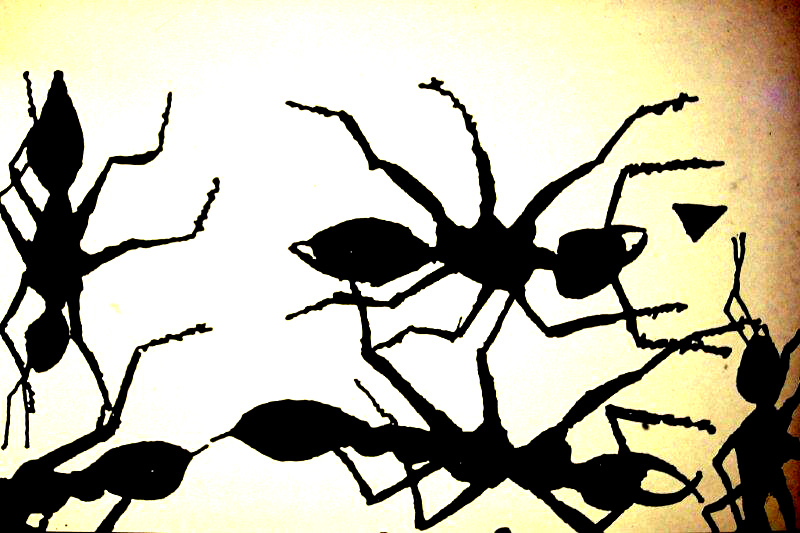
On returning to Brisbane, I tackled the videotex editing system. I produced the small interactive digital site titled OFlate Studios, which was then aligned with a physical site (Ezy Park Car Park) located on the corner of Charlotte and Edward Streets, Brisbane City.
And the journey began to link the physical to the digital in search of an interconnected world.
Further reading:
Hurst,J., Willsteed,J., Interview for Intermedial Interventions in the City, Urban Matters Journal, Malmö University, Sweden 2024
https://urbanmattersjournal.com/fault-lines-fragments-punch-lines/
Hurst, J., Sometimes I wonder, Bjelke Blues – Stories of Repression and Resistance in Joh Bjelke-Petersen’s Queensland 1968-1987, And Also Books, 2019.